Is Your Fridge Secretly Powering the Neighborhood?
How Everyday Appliances Are Becoming Unexpected Energy Heroes
Imagine your refrigerator humming away in the kitchen, not just chilling your groceries but quietly earning its keep by contributing electricity back to the grid. What sounds like science fiction is inching towards reality thanks to bleeding-edge energy tech. Forget complicated lab jargon; the revolution is brewing in the unlikeliest household corners. The integration of smart devices with advanced energy systems is transforming passive consumers into active grid participants, redefining our relationship with power.
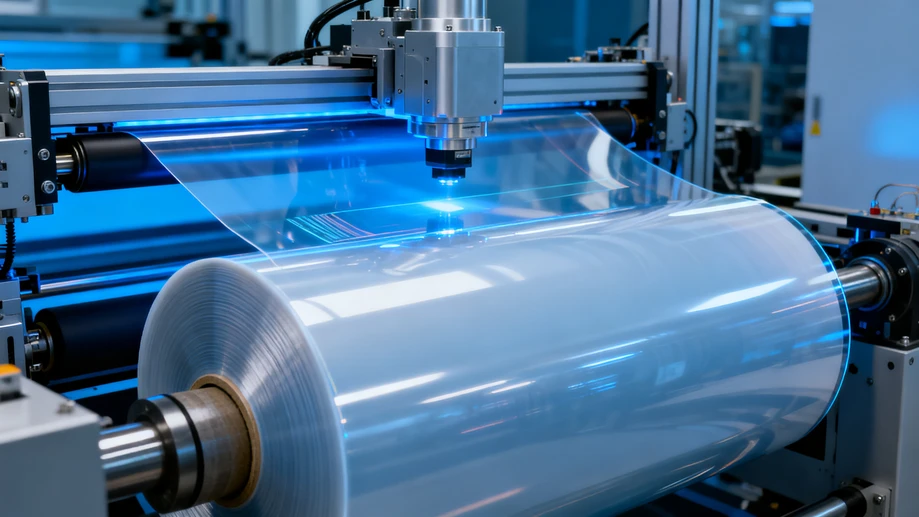
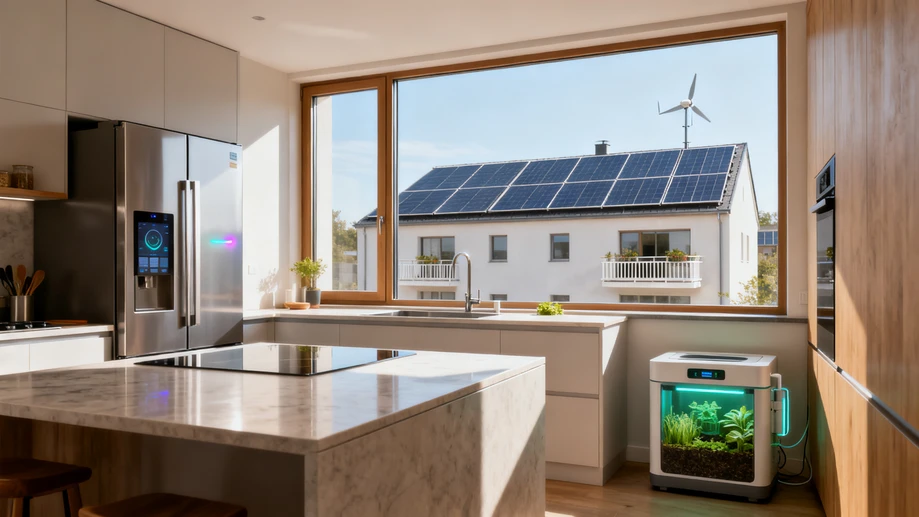
Solar power is getting a glow-up beyond the familiar rooftop panels. Think ultrathin, lightweight photovoltaic films that can be integrated into building facades, car roofs, or even agricultural greenhouse coverings – turning vast surfaces into power generators without competing for land. These "solar skins" harvest light from multiple angles and diffuse conditions, boosting overall energy capture. Recent breakthroughs push efficiencies beyond 25% for flexible perovskite cells, making them viable for mass production. Picture entire cityscapes subtly harvesting sunlight, their glass and steel not just for show but actively powering the lives within.
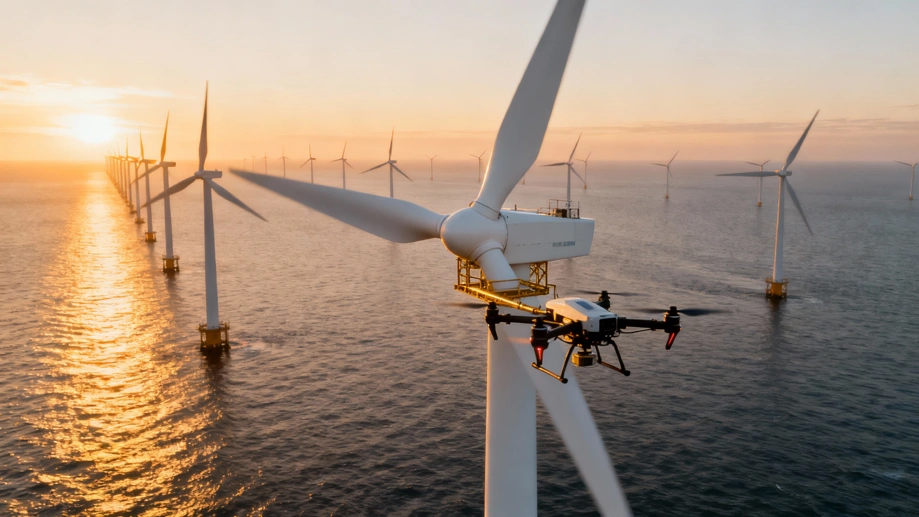
Wind energy is shedding its dependency solely on massive turbines dotting hillsides and coastlines. Innovations focus on harnessing wind where it's abundant but often wasted: within urban environments. Small-scale, noiseless vertical axis wind turbines, designed like sleek kinetic sculptures, are emerging for rooftops and balconies. More radical is 'aerovoltaic' tech: systems capturing the heat generated by solar panels naturally cooled by wind. This creates a combined solar-wind energy output from a single footprint, maximizing limited urban space and offering dual generation from single installations.
The real game-changer lies in seamless interaction. Advanced AI acts as the central nervous system, continuously analyzing data – weather forecasts, real-time electricity prices, household usage patterns – and making split-second decisions. Should your electric vehicle charge now using cheap solar, or discharge later to power the home during expensive peak hours? Should the home battery feed the grid when demand surges? It's like having millions of tiny computers playing matchmaker between your appliances and the wider energy ecosystem, optimizing efficiency and reducing costs without human intervention.
Perhaps the most surprising frontier isn't in the sky or on the roof, but in your kitchen bin. New technology leverages microbial fuel cells (MFCs), where specially engineered bacteria feast on organic waste like food scraps. As they digest, they naturally generate electrons – essentially, electricity. Current systems are scaling up, able to efficiently handle household food waste or sewage. Imagine throwing coffee grounds and banana peels into a sleek countertop unit, and its onboard microbes quietly converting them into power for your coffee maker the next morning. It's waste not, want not, powered by nature's own chemistry.
The future isn't about a single magic bullet; it's a dynamic orchestra of these technologies working in concert. Imagine a home powered by its solar-skin exterior, supplemented by balcony turbines, its energy use intelligently managed by AI, while its kitchen waste is transformed into extra power by microbial digesters. This hyper-local, integrated approach is the key to resilient, cleaner grids. It turns passive consumers into active "prosumers," where every home and appliance becomes a potential energy node. The energy revolution isn't just coming; it's being baked into the very fabric of our daily lives, quite literally starting with your next meal's leftovers.