Solar Farms: A Surprising Sanctuary for Bees
How solar panels are accidentally creating havens for vanishing pollinators
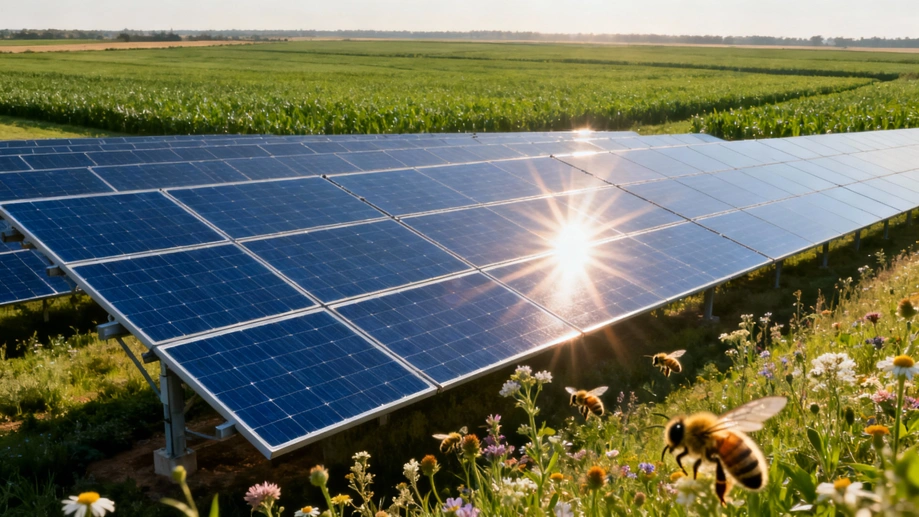
Picture a sea of glimmering solar panels stretching toward the horizon. Now imagine something unexpected buzzing beneath them – millions of busy honeybees and native pollinators thriving where you'd least expect it. This isn't science fiction; it's the accidental ecological bonus happening at solar farms worldwide.
Traditionally, large solar installations meant clearing land completely. But something interesting happened when developers stopped fighting nature under the panels. Instead of constant mowing or gravel cover, many operators started planting low-growing native flowers, clover, and wild grasses. This simple shift transformed barren industrial spaces into unexpected buffets for pollinators desperate for habitat. The partial shade actually creates ideal microclimates for certain plants that wilt in full sun.
This accidental ecosystem provides critical real estate at a time when bees face catastrophic declines. Since 2006, commercial beekeepers have reported losing 30-40% of colonies annually due to pesticides, habitat loss, and disease. The neatly spaced panels offer protection from wind and predators while the flowering ground cover provides diverse, pesticide-free foraging areas. Research shows pollinator abundance can increase fivefold in just two growing seasons after converting to pollinator-friendly solar layouts.
Here’s where it gets even smarter: This bee boost directly translates into higher crop yields nearby. Farmers leasing land for solar often continue farming surrounding fields. Better pollination means plumper fruits, fuller bean pods, and heavier seed sets. One Illinois study found soybean fields adjacent to pollinator-friendly solar sites had a 20% higher yield compared to conventional setups. That's free value added to clean energy infrastructure.
The impact reaches far beyond agricultural economics. Wildflowers blooming beneath panels support entire food chains – from beetles to songbirds. Soil benefits too, as deep-rooted native plants prevent erosion better than gravel or turfgrass. Some solar companies now partner with universities to create site-specific seed mixes mimicking pre-settlement prairie ecosystems.
Critics initially worried about fire risks or damaged panels, but low-maintenance native plants actually reduce long-term costs. Mowing requirements drop by 75% compared to turfgrass, saving fuel and labor. As operators realize these savings, adoption spreads rapidly - over 2,500 pollinator-friendly solar sites now operate across the U.S. alone.
This elegant solution demonstrates how human infrastructure and ecology can coexist. Rather than choosing between energy production and conservation, we're discovering smart designs that achieve both. The low buzz beneath those silent panels represents a powerful lesson: sometimes the most sustainable technologies work with nature's intelligence, not against it.