Can Your Thermostat Tell Time? Unlocking the Clockwork Behind Smart Home Schedules
Discover how everyday devices predict your routines to slash energy bills, without a single app tap.
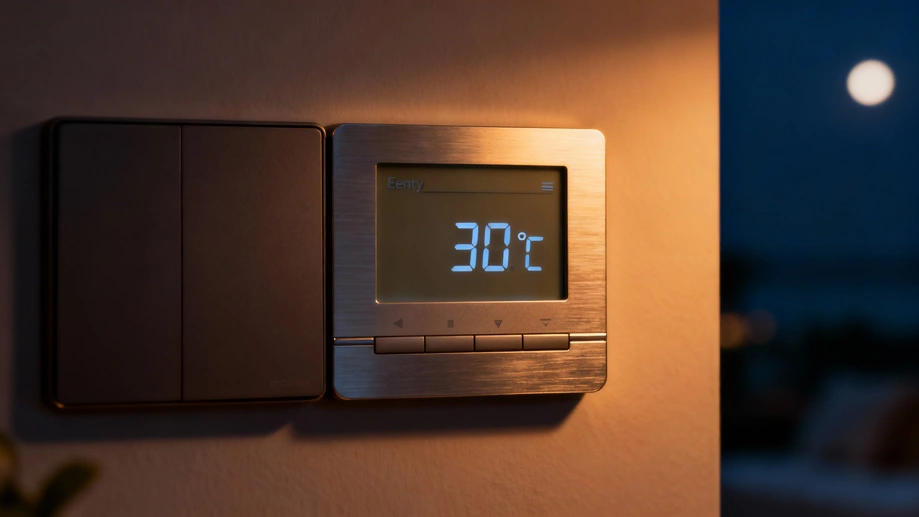
Picture this: you're racing out the door to work, already late, and you've left every light blazing and the air conditioner blasting. It used to mean wasted energy and higher bills, but today, smart homes step in like a silent guardian. They don't need constant orders; they learn from your habits to make life effortless. This isn't science fiction—it's the simple math of sensors and algorithms turning ordinary houses into energy-saving wonders. Let's peel back the tech curtain to see how this automation works. It all starts with motion detectors and temperature sensors sprinkled around your home. These gadgets act like eyes and ears, constantly gathering data on when you move or when rooms get too warm or cold. Over time, patterns emerge: you always wake at 6 a.m., and the thermostat learns to kick in heating just before that moment, ensuring comfort without extra energy.
However, the real magic happens when these devices start "talking" to each other. Imagine your lights dimming automatically as bedtime approaches, all because a smart plug sensed the TV turning off. No coding or complicated setups required—modern systems connect through Wi-Fi hubs, enabling them to share data in the background. This coordination means your home becomes a team player, anticipating needs rather than waiting for commands. For instance, during summer days, smart blinds might close when sunlight sensors detect intense heat, cutting cooling costs by up to 30%. Plus, this happens quietly in the background; you won't even notice unless you check your energy monitor app and see the savings piling up.
Moreover, energy savings translate directly into money back in your pocket. Studies show that automated lighting and climate control can reduce household energy use by 10-15%, adding up to hundreds of dollars annually. But it's not just about cash—smart systems help the environment by trimming unnecessary power consumption. For example, if everyone switched to automated thermostats, it could reduce national energy demands significantly. Yet, some worry about privacy. While concerns are valid, advanced encryption ensures data stays private without big tech meddling, making it a secure trade-off for tangible benefits.
Beyond bills and ecology, these routines make daily chaos manageable. Busy mornings become smoother with timed coffee makers starting automatically, and smart plugs ensure devices like TVs don't drain power on standby. Over time, your home evolves from a passive space to a proactive partner, adapting as your schedule shifts. It's like having an invisible butler who knows you inside out. So, why not give it a try? By starting small—say with a smart plug or bulb—you can witness the effortless transformation yourself. After all, a home that thinks ahead isn't just smart; it's a savvy ally for simpler living.