Ocean Rhythms: The Silent Force of Tidal Energy
How the predictable push of the seas could finally crack our clean power puzzle.
Picture yourself standing on a rocky shore, waves crashing rhythmically against the cliffs day after day. That constant ebb and flow isn't just a spectacle—it's nature's clockwork, packed with untapped energy potential that could help wean us off fossil fuels. Tidal energy harnesses the gravitational pull between the Earth, moon, and sun, creating predictable currents that can be turned into electricity. Unlike solar or wind power, which rely on unpredictable weather, tides arrive like clockwork twice a day in most coastal regions. This reliability makes it a hidden gem in the race for sustainable solutions. Early civilizations used tide mills for grinding grain centuries ago; now, modern technology is reviving this concept on an industrial scale, aiming to turn oceanic motion into a steady stream of green power. The best part? It's everywhere there's an ocean—no deserts or mountaintops required.
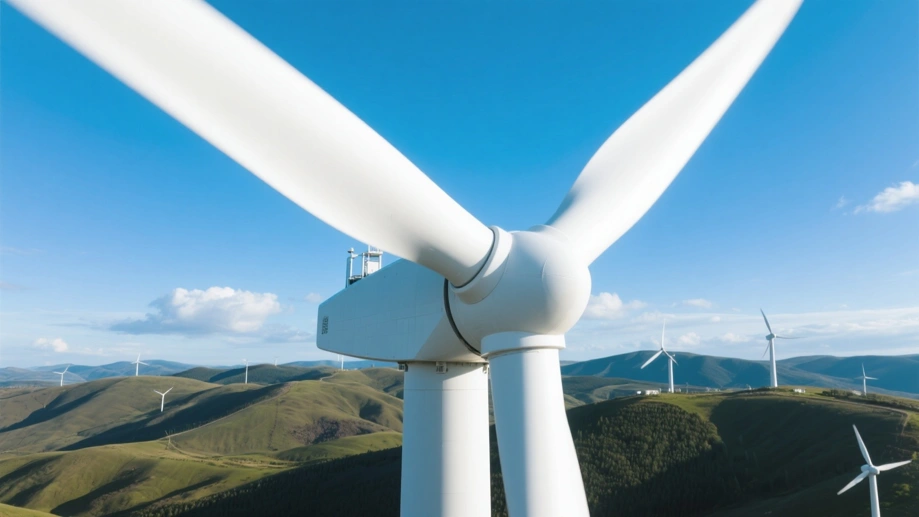
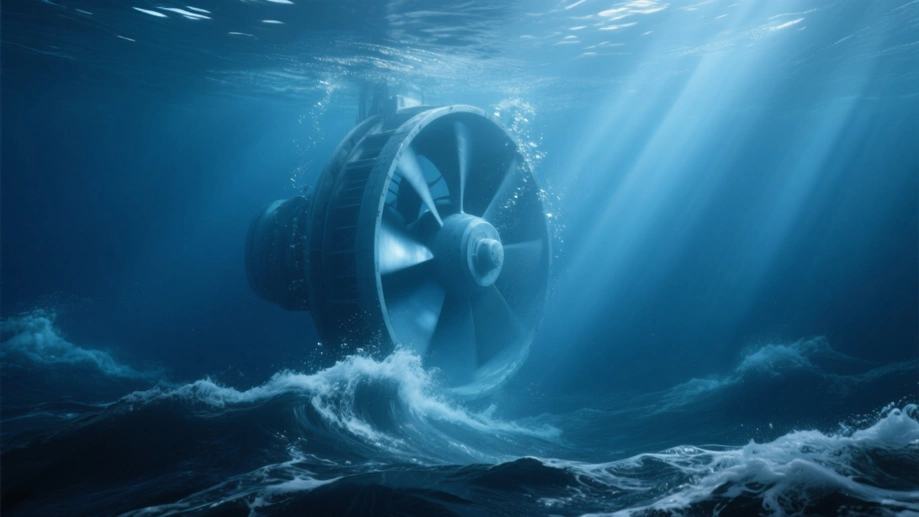
So, how does this underwater wizardry actually work? Think of it like wind turbines, but submerged in deep water channels where tidal currents are strongest. Giant underwater turbines, often shaped like oversized propellers or kites, spin as water flows past them during high and low tides. This motion drives generators that produce electricity, which is then sent ashore via undersea cables. The key is efficiency—since water is 800 times denser than air, even slow-moving currents can generate significant power. For instance, a single turbine might produce enough energy to power hundreds of homes annually. Current designs keep evolving to handle the harsh marine environment, using durable materials like advanced plastics and alloys to resist corrosion from saltwater, ensuring minimal maintenance. Moreover, unlike other renewables, tidal energy systems can operate consistently throughout the day and night, dodging the intermittency issues that plague solar farms on cloudy days.
Why should we care? Tidal energy's predictability offers a rare advantage in the renewable sector. While solar and wind depend on sun exposure or gusty winds—both prone to fluctuations—tides follow astronomical patterns we've mapped for centuries. This means utilities can integrate tidal power into grids without massive battery storage, reducing costs and boosting reliability. Also, it's incredibly clean: no greenhouse gases are emitted during operation, helping cut carbon footprints in coastal communities. Coastal regions worldwide could tap into this resource; places with strong tides like Canada's Bay of Fundy or the UK's coasts are already piloting projects that show promise. Consequently, as climate change fuels fiercer storms and rising seas, tidal installations can double as coastal defenses by reducing wave energy during extreme weather, providing a dual benefit for vulnerable shorelines.
However, tidal energy isn't without hurdles, mostly centered on costs and ecological balance. Installing turbines requires upfront investments that can run into billions for large-scale farms, driven by the engineering challenges of working deep underwater in turbulent conditions. That makes it pricier per watt than established sources like wind, slowing down widespread adoption. There's also the need to balance power generation with marine ecosystems—critics worry turbines could harm fish migrations or disrupt seabed habitats. Ongoing research is tackling this, like deploying 'fish-friendly' designs that guide marine life away from blades. Plus, tidal patterns vary globally, meaning not all coasts are suitable; areas with weak currents might not justify the expense. But innovations are emerging, such as floating platforms that can be towed to optimal spots, making the technology more adaptable.
Looking ahead, tidal energy is gaining traction as a complementary player in the clean energy orchestra. Pilot projects in places like Scotland and France have already connected to national grids, contributing steady power without major hiccups. Future breakthroughs could lower costs through scalable manufacturing and AI-driven systems that optimize turbine placement based on real-time data. Collaborations between universities and industries are exploring tidal lagoons—artificial basins that trap water, creating amplified currents for better output. This isn't sci-fi; it's practical engineering rooted in decades of ocean studies. Ultimately, as demands for decarbonization grow, tidal energy could provide a stable backbone for coastal cities, helping them achieve net-zero goals by 2050. The ocean's rhythm, once overlooked, might just be the key to a greener grid—making every tidal surge count in our shared fight against climate change.