Why Is Your Phone Smarter Than a Supercomputer From 20 Years Ago?
The incredible shrinking transistors behind computing's silent revolution
Remember when computers occupied entire rooms? Today's smartphones pack more processing power than those behemoths, thanks to a relentless shrinking act happening at microscopic levels. This miniaturization miracle stems from Moore's Law, an observation that transistor counts double about every two years. But how exactly do we keep making these tiny switches smaller while boosting their power?
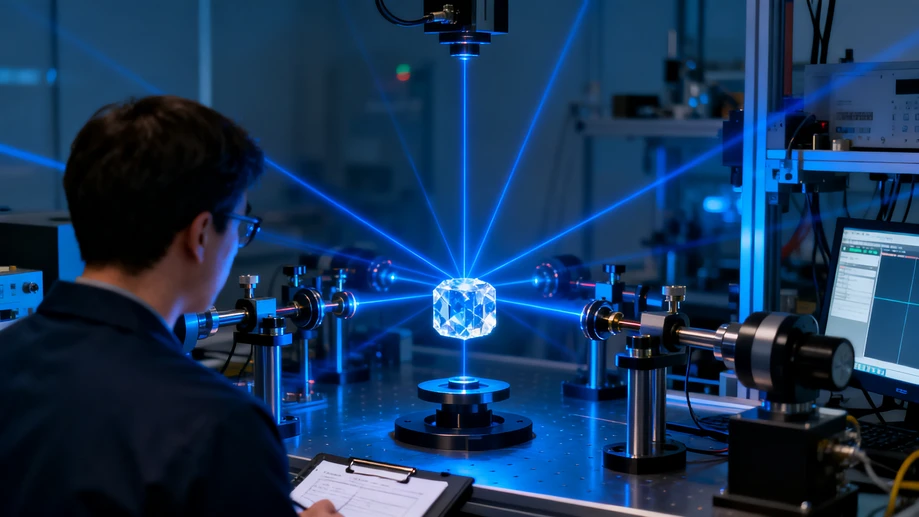
Transistors act like microscopic light switches controlling electricity flow. Their size determines how many can fit on a silicon chip. In the 1970s, transistors were visible under classroom microscopes. Today, billions fit on a fingernail-sized chip - each smaller than a flu virus. This scaling happens through extreme ultraviolet (EUV) lithography, where light waves carve patterns 10,000 times thinner than human hair onto silicon wafers.
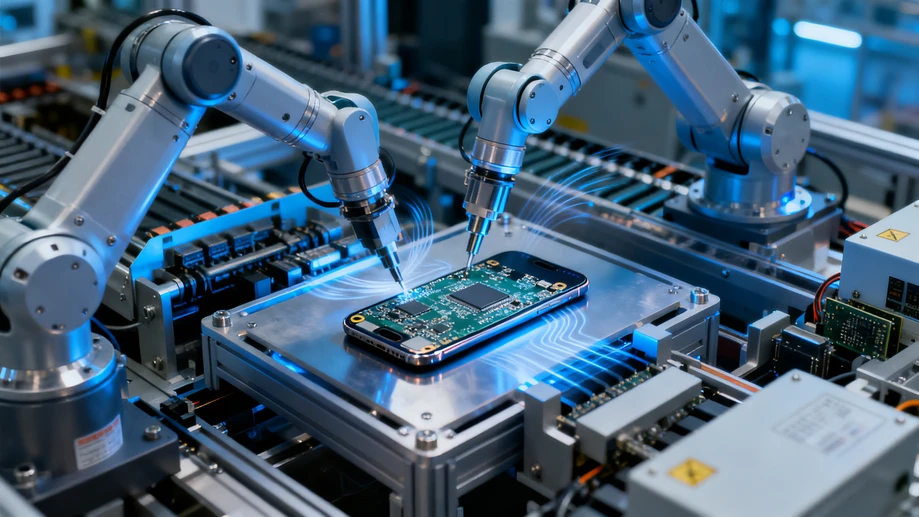
As components shrink, electrons travel shorter distances, speeding up computations while reducing energy needs. Imagine delivering mail across a room instead of a city - that's the advantage of nanometer-scale pathways. Modern 5nm chips (about the width of two DNA strands) run cooler and faster than their predecessors, directly enabling all-day battery life in slim devices. This efficiency leap explains why your watch now processes data that required desktop towers decades ago.
But physics starts fighting back at atomic scales. When transistor gates approach 5nm, electrons may quantum-tunnel through barriers like ghosts through walls. Engineers combat this with ingenious materials like hafnium dioxide insulators and 3D "FinFET" designs that wrap gates around silicon fins, maintaining control over subatomic traffic. These innovations trick electrons into behaving despite near-impossible dimensions.
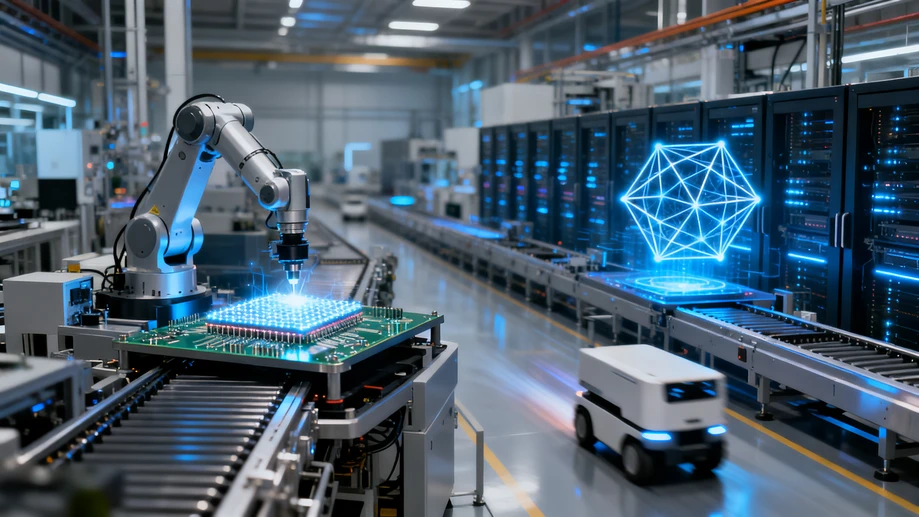
Chipmakers now stack components vertically like microscopic skyscrapers. This three-dimensional approach sidesteps flatland limitations, multiplying transistor density without shrinking footprints further. Meanwhile, specialized cores handle different tasks - graphics, AI processing, or background functions - like an efficient team dividing labor. Such architectural creativity sustains progress as pure miniaturization approaches physical limits.
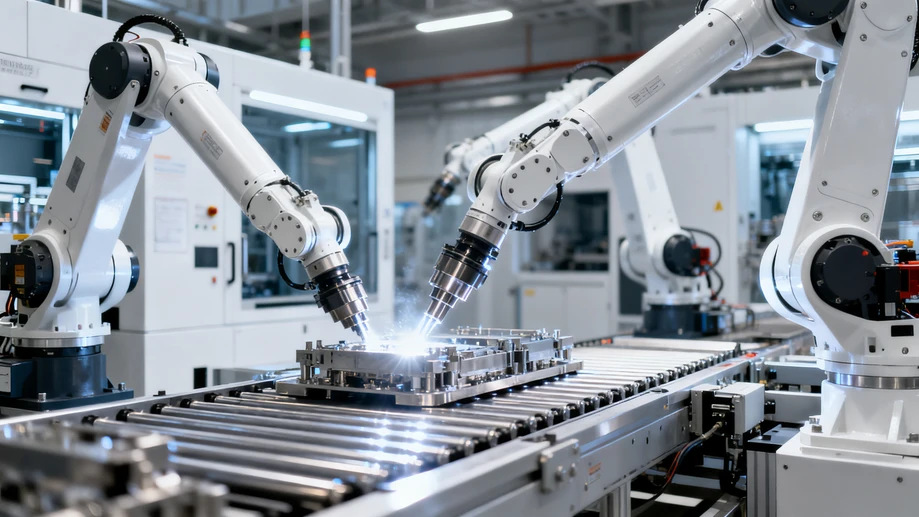
The implications ripple beyond consumer gadgets. Medical scanners detect smaller tumors with these powerful processors. Weather models gain life-saving accuracy through computational brute force unseen in previous eras. Even basic scientific research accelerates as simulation capabilities grow exponentially - all riding on silent factories printing atom-scale patterns onto silicon disks.
While Moore's Law may eventually plateau, humanity's ingenuity in harnessing quantum effects and clever engineering continues rewriting what's possible. That supercomputer in your pocket? It's both a triumph of sustained innovation and a promise that our smallest creations will keep driving colossal changes.