5 Revolutionary Manufacturing Technologies Shaping Your Daily Life
Discover how cutting-edge innovations are transforming the products you use every single day.
Imagine waking up to a smartphone that feels custom-made for your hand, a coffee maker that brews perfection with minimal waste, or a car that adjusts its seats based on your mood—these aren't science fiction, but real-world marvels powered by today's global frontier in high-end manufacturing. Gone are the days of clunky factories churning out identical goods; we're now in an era where advanced techniques blend digital precision, sustainability, and human-centric design to create smarter, more efficient products. This revolution isn't just for engineers in distant labs; it's seeping into your home, your commute, and your health, making everyday items more responsive, eco-friendly, and affordable. For instance, the average person interacts with over a dozen manufactured objects before breakfast, from the toothbrush crafted with microscopic sensors to the yogurt container designed for recyclability, all thanks to breakthroughs that started in cutting-edge workshops worldwide. By exploring these innovations, we uncover how tiny tweaks in manufacturing are turning mundane routines into extraordinary experiences, proving that the future isn't some distant utopia—it's already here, woven into the fabric of your life.
First up, additive manufacturing, commonly known as 3D printing, is revolutionizing how we build everything from medical implants to sports gear by layering materials with pinpoint accuracy, reducing costs and waste by up to 60% compared to traditional methods. Picture this: hospitals now print custom-fit prosthetic limbs in hours rather than weeks, using scans of a patient's body to ensure comfort—no more awkward fittings or painful adjustments. Athletes benefit too, with shoes like those from Adidas featuring midsoles printed to match individual foot pressure maps, enhancing performance and reducing injuries during a morning jog. On a grander scale, architects construct building components on-site, slashing construction time and minimizing environmental impact, while at home, hobbyists use affordable desktop printers to craft bespoke kitchen gadgets. This tech's magic lies in its versatility; it allows for complex, lightweight designs that were once impossible, all while using recyclable plastics or bio-based resins. As adoption grows, experts predict it could cut global manufacturing emissions significantly, making it a key player in sustainable innovation.
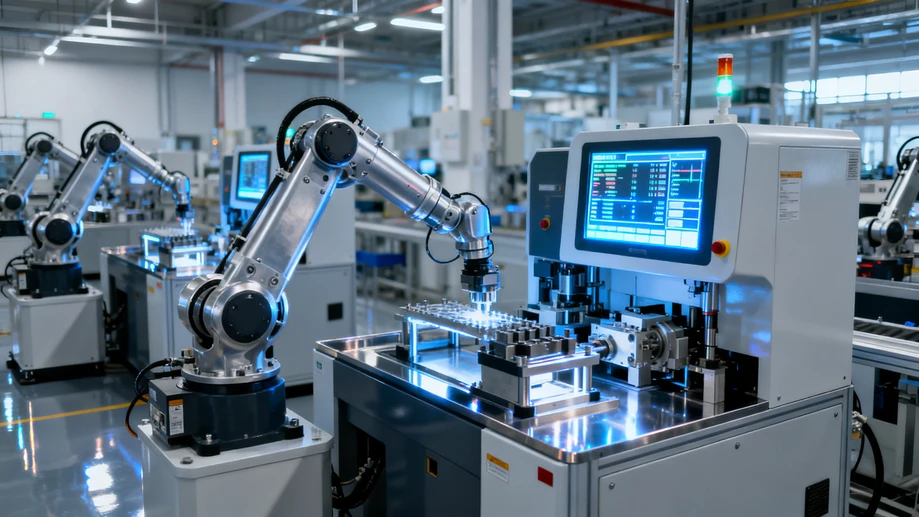
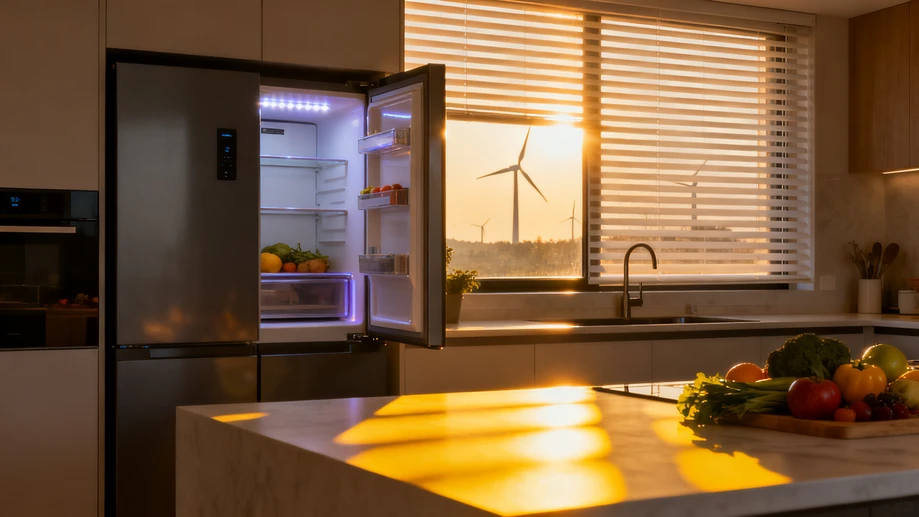
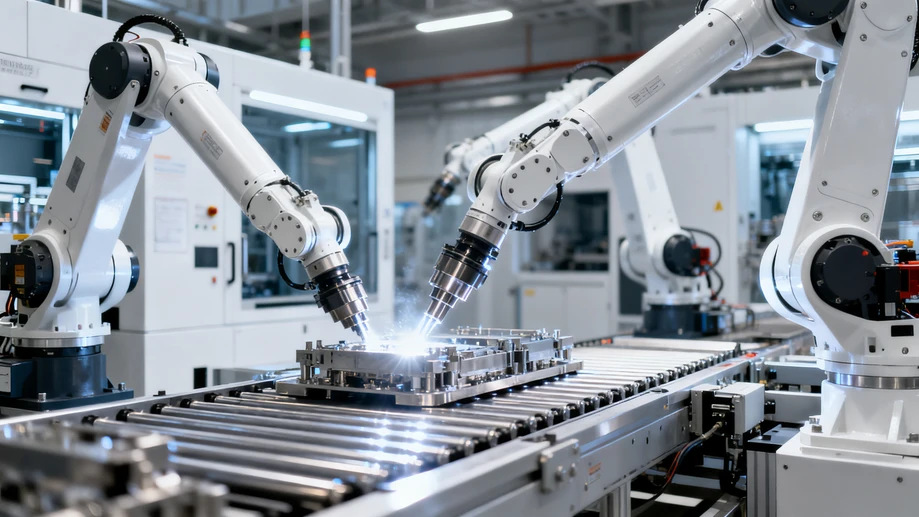
Next, artificial intelligence and machine learning are embedding intelligence right into the factory floor, creating 'smart factories' that predict problems before they occur, boosting efficiency by analyzing vast data streams in real-time. Think of a car assembly line where AI systems monitor vibrations, temperatures, and anomalies to halt production if a part veers off-spec, preventing costly recalls—this isn't hypothetical; companies like Tesla use it to slash defects by over 30%. Similarly, AI algorithms optimize energy use in large plants, automatically adjusting lighting and machinery to conserve power during off-peak hours, which trickles down to lower prices for everyday electronics. Even your home appliances, such as smart refrigerators, owe their reliability to this tech; manufacturers simulate millions of usage scenarios during design to ensure they last for years. The human element thrives too, as workers collaborate with cobots (collaborative robots) that handle repetitive tasks safely, freeing them for creative problem-solving. This synergy doesn't eliminate jobs but enhances them, leading to safer workplaces and products that adapt seamlessly to user habits.
Sustainable manufacturing is reshaping industries with eco-materials and circular processes, turning waste into resources and slashing carbon footprints, all while meeting consumer demand for greener products. Take the fashion world: brands like Patagonia now weave recycled ocean plastics into jackets, using closed-loop systems that repurpose old garments into new fibers, reducing landfill waste dramatically. In electronics, companies like Apple employ robots to disassemble old iPhones, recovering valuable metals for reuse in new devices—a stark contrast to past methods that consumed vast resources. Even food packaging sees innovations, with bioplastics derived from corn starch replacing petroleum-based plastics, decomposing naturally in compost bins to cut microplastic pollution. These advances aren't just feel-good stories; they drive economic gains, as sustainable practices save billions in raw material costs annually and appeal to eco-conscious shoppers. By integrating such technologies, manufacturers ensure that products you toss away don't harm the planet but fuel the next creation cycle, embodying a shift toward responsibility.
Finally, nanotechnology and advanced materials are pushing boundaries, creating super-strong, lightweight components that enhance durability and functionality in common items, from eyewear to building materials. For example, graphene-infused coatings on your smartphone screen make it scratch-resistant and shatterproof, extending its lifespan while feeling feather-light in your pocket. In medicine, nano-engineered drug delivery systems ensure medications release precisely where needed, improving treatments for chronic conditions with fewer side effects. Even everyday cars benefit, with carbon-fiber composites reducing vehicle weight by up to 50%, boosting fuel efficiency and lowering emissions on your daily commute. These materials are born from decades of research, blending chemical engineering with digital modeling to achieve properties like self-healing surfaces or energy-harvesting fabrics. As these technologies mature, they promise to make products more accessible and long-lasting, proving that high-end manufacturing isn't just about novelty—it's about building a better world, one atom at a time.
In wrapping up, these five revolutionary technologies—additive manufacturing, AI-driven smart factories, sustainable processes, and nanotech—aren't isolated marvels but interconnected forces driving a global transformation in how we live, work, and consume. They're democratizing innovation, allowing small startups to compete with giants by reducing entry barriers through accessible tools like affordable 3D printers. As adoption accelerates, we'll see ripple effects: personalized products becoming the norm, waste plummeting to near-zero, and everyday items evolving with unprecedented intelligence. So, the next time you sip coffee from a recyclable cup or drive a car that monitors its own health, remember—it's all fueled by manufacturing's cutting edge, making your life not just convenient, but extraordinary. Embrace this shift; after all, the future is being built right now, in factories worldwide, for you.