Quantum Computing Explained: When Bits Go Weird
A sneak peek into the bizarre world of subatomic particles powering tomorrow's tech
Ever thought about how a regular computer works? It uses bits that are either 0 or 1, like a simple on-off switch, to solve problems step by step. But what if I told you there's a new kind of computing that breaks all the rules you know, where bits can be both 0 and 1 at the same time? That's quantum computing, and it's not just sci-fi—it's real science, making waves in labs worldwide.
So, how is this different from your laptop? Classical computers rely on electrical currents flowing through silicon chips, each bit representing a definite state. However, quantum computers tap into the strange behaviors of atoms and electrons, the tiniest building blocks of matter. Instead of bits, they use quantum bits or qubits, which operate under the laws of quantum physics. This shift isn't just a minor tweak; it's like upgrading from a bicycle to a rocket ship for solving complex puzzles.
Now, let's dive into the mind-bending feature called superposition. Imagine a coin spinning in the air—it's not just heads or tails while it spins; it's both until it lands. That's exactly what qubits do: they exist in multiple states simultaneously, representing 0 and 1 all at once. This allows a quantum computer to explore many possibilities in parallel, speeding up calculations exponentially compared to traditional machines. For instance, instead of trying one password combination at a time to crack a code, a quantum device could test billions at once, making it a game-changer for security.
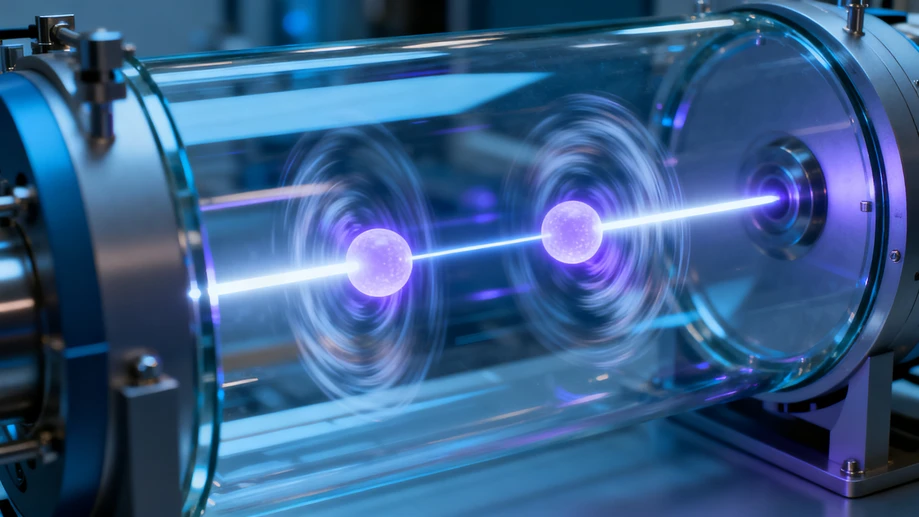
Moreover, qubits don't work alone; they team up through entanglement. This is where two particles become linked, no matter how far apart they are—if one changes, the other instantly reacts, even across miles. It's not magic; it's a natural phenomenon observed in labs. Thus, entangled qubits can share information instantly, boosting a computer's processing power without needing any wires or signals, like having a super-fast telepathic chat for data.
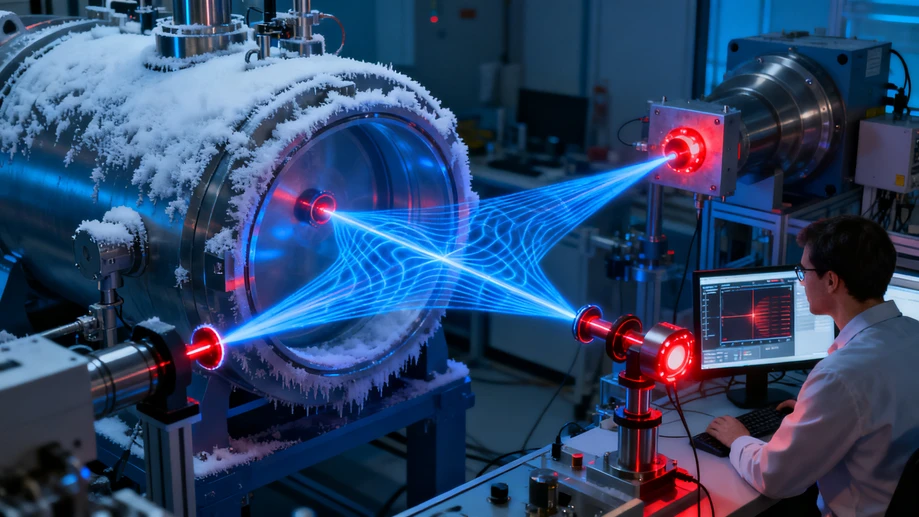
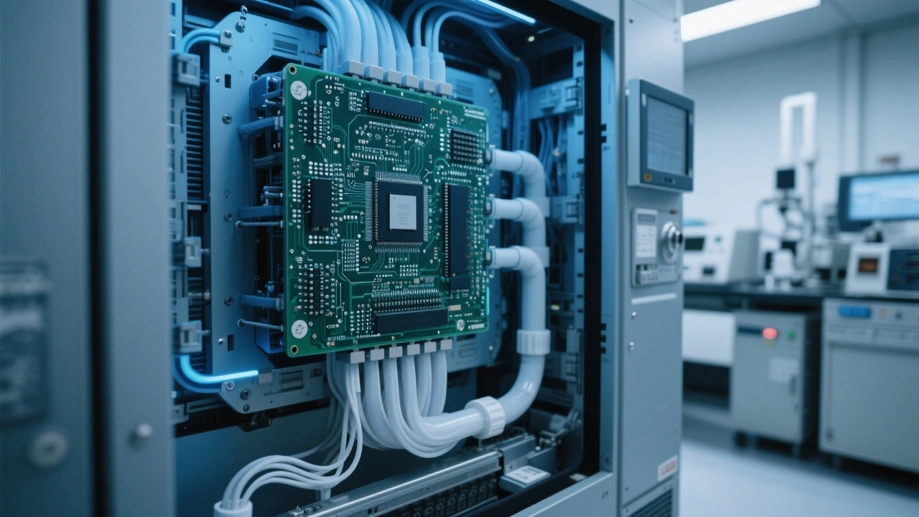
But why should we care about all this? The real-world impacts are already unfolding. Quantum computers could revolutionize drug discovery by simulating molecular interactions that classical systems struggle with, potentially leading to faster cures for diseases. They might optimize complex supply chains or climate models in seconds, saving time and resources in industries like agriculture and logistics. Despite the buzz, it's still experimental; most quantum devices today require extreme cooling to near absolute zero, making them finicky and expensive to maintain.
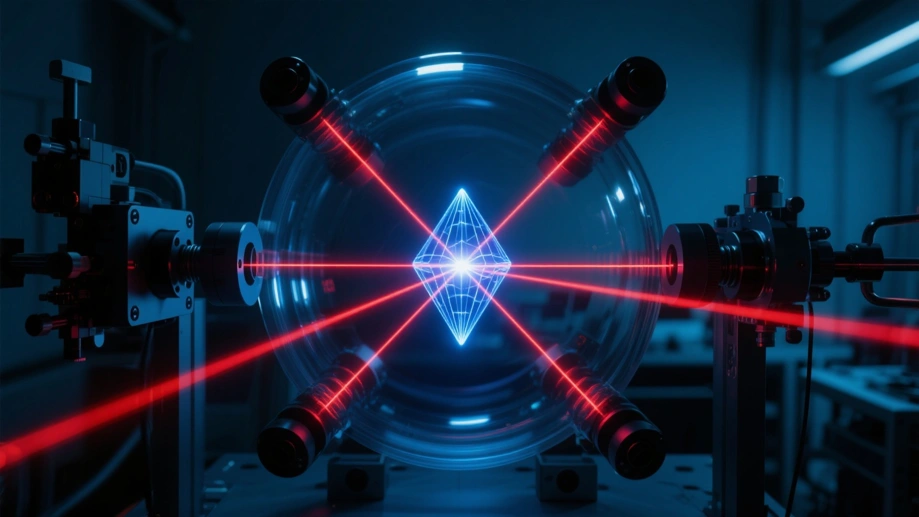
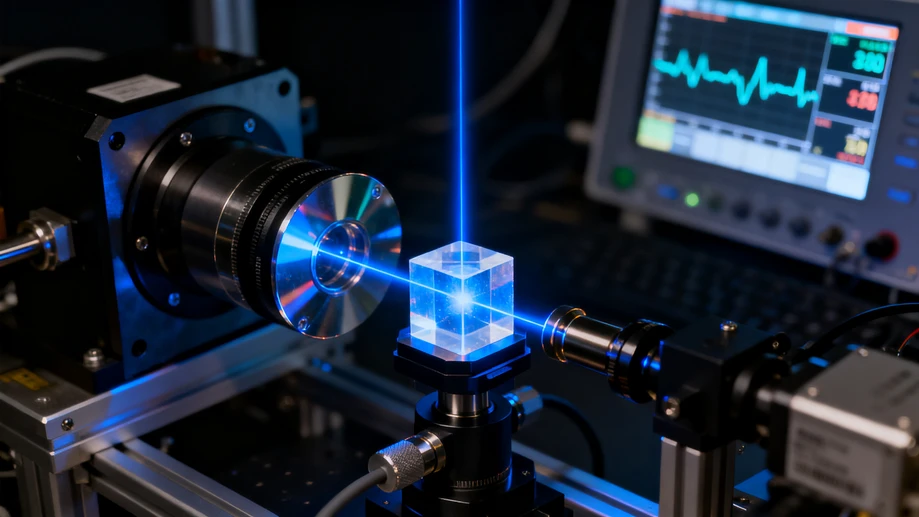
Looking ahead, the journey to making quantum tech accessible is full of hurdles, but progress is steady. Researchers are developing more stable qubits using affordable materials like diamonds or silicon, aiming for practical devices in the next decade. This evolution could bring quantum computing out of the lab and into our everyday lives, much like how early computers transformed from room-sized machines to pocket-sized smartphones. It's not about replacing your phone tomorrow; it's about building a smarter, faster future one qubit at a time.