Can Microscopic Machines Already Fix Your Body from the Inside?
The invisible revolution transforming medicine one nanometer at a time
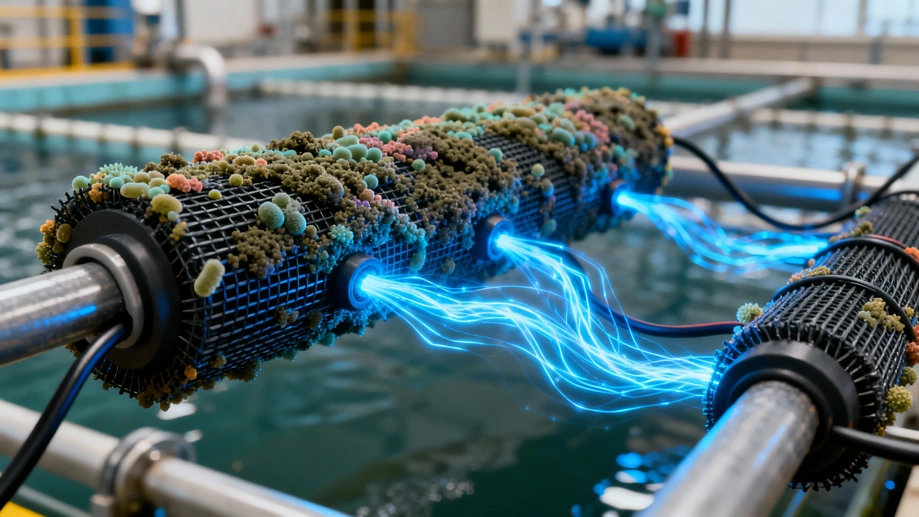
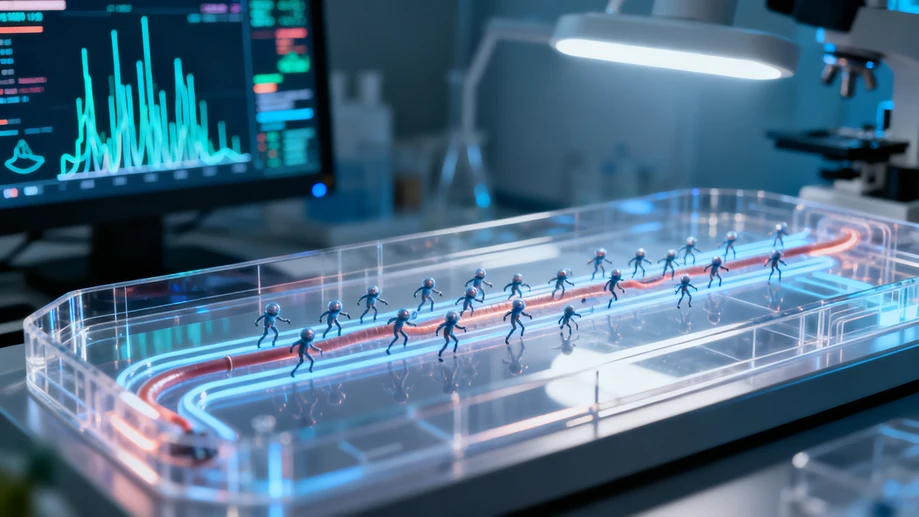
Imagine an army of surgeons smaller than a blood cell navigating your veins, precisely targeting diseased cells while leaving healthy tissue untouched. This isn't science fiction – it's the cutting edge of medical nanotechnology happening in labs worldwide. Researchers have engineered nanobots, some barely 1/100th the width of a human hair, that can swim through bodily fluids using biological motors or magnetic fields. These aren't autonomous robots with AI brains, but sophisticated molecular machines designed for highly specific tasks. Early prototypes already demonstrate astonishing capabilities, like propelling themselves through viscous fluids mimicking human blood plasma using tail-like flagella or responding to external magnetic guidance systems. The era of internal mechanical medicine has quietly begun.
Cancer treatment stands at the forefront of this revolution. Traditional chemotherapy attacks healthy cells along with cancerous ones, causing devastating side effects. Nanobots offer a smarter solution: researchers have developed gold nanoparticle "tanks" that accumulate specifically in tumor tissue. When exposed to harmless infrared light through the skin, these particles heat up locally, cooking cancer cells from within while sparing surrounding organs. In clinical trials, this photothermal therapy has shown remarkable precision. Another approach uses DNA origami bots – folded DNA strands carrying blood-clotting agents – that unfold only upon encountering tumor-specific proteins, effectively starving cancers by blocking their blood supply with microscopic accuracy.
Beyond oncology, nanobots are revolutionizing diagnostics and surgery. Imagine swallowing a pill containing thousands of sensor-equipped microbots instead of undergoing invasive endoscopy. These devices can map gut inflammation, detect early-stage tumors, or measure chemical imbalances in real-time as they journey through your digestive tract, transmitting data wirelessly to doctors. For cardiovascular emergencies, researchers are testing magnetically guided nanobots that can clear arterial blockages within minutes. In ophthalmology, prototypes exist that can perform delicate retinal repairs by navigating the vitreous humor – a feat impossible with traditional surgical tools. Even dental care could transform with enamel-repairing nanobots that remineralize teeth at the microscopic level.
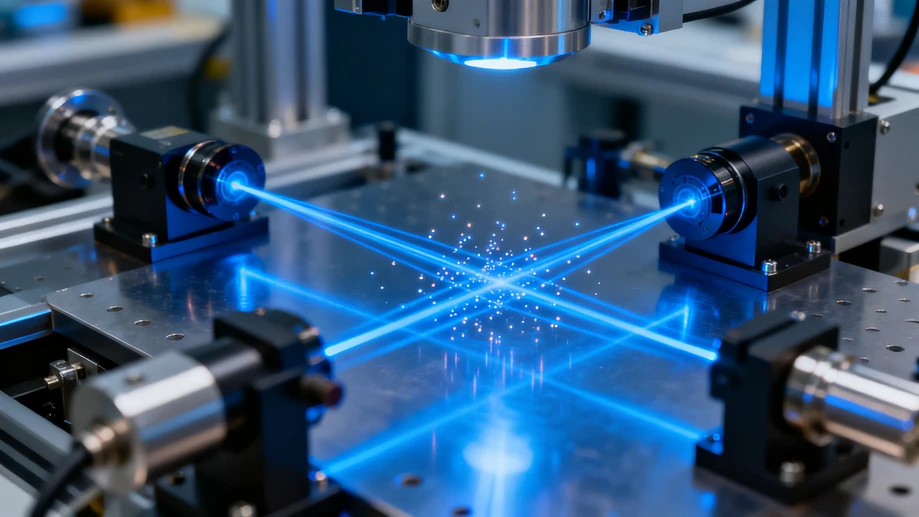
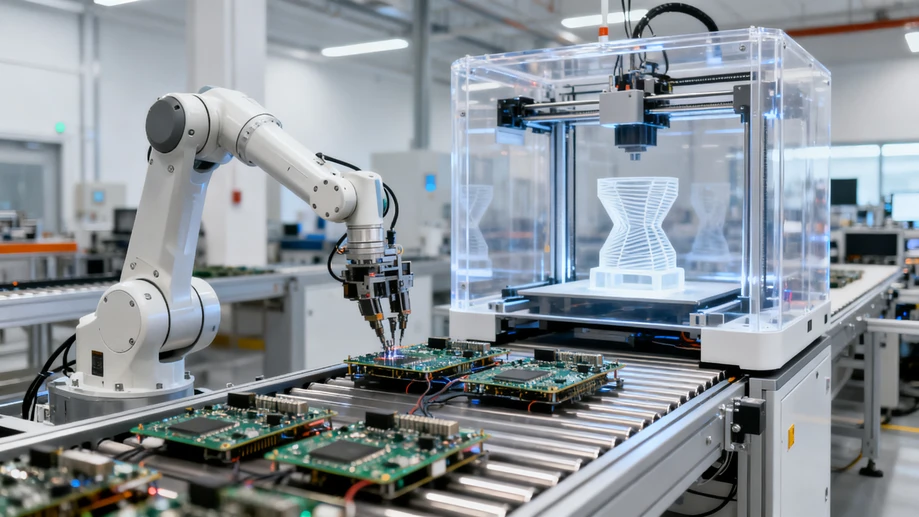
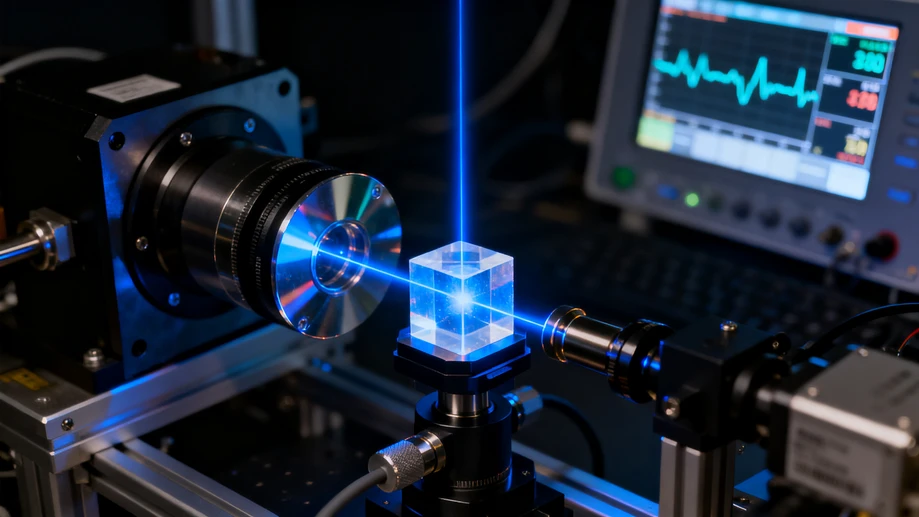
Manufacturing these microscopic marvels requires astonishing precision. Advanced techniques like two-photon lithography use focused lasers to sculpt 3D structures smaller than a red blood cell from biocompatible polymers. Other methods involve "programming" DNA strands to self-assemble into complex shapes like barrels, clamshells, or even rudimentary walking mechanisms when exposed to specific chemical triggers. The most promising designs often mimic nature: some bots replicate the corkscrew motion of bacteria, while others use protein-based motors similar to those found in human cells. Quality control happens under atomic-force microscopes, where each nanoscale component is tested for structural integrity before deployment.
Despite breathtaking progress, significant challenges remain. Ensuring these tiny machines are completely biodegradable is critical to prevent long-term accumulation in organs. Researchers are experimenting with materials like magnesium that harmlessly dissolve after completing their mission. Another hurdle is navigation – while magnetic fields work well near the body's surface, guiding bots deep inside requires sophisticated ultrasound or acoustic steering systems currently in development. Mass production presents yet another obstacle; creating billions of identical nanobots demands revolutionary manufacturing techniques like self-assembling molecular chains or DNA-based nanofactories.
The future roadmap is exhilarating. Next-generation nanobots will feature onboard sensors to make autonomous decisions, like releasing drugs only when detecting specific disease markers. Teams are developing hybrid "bio-bots" combining synthetic materials with living cells for enhanced biocompatibility. Regulatory pathways are being established, with first-generation medical nanobots projected for clinical use within 5-7 years. As manufacturing scales and precision improves, these invisible mechanics could transform chronic disease management, enabling continuous internal monitoring and micro-interventions that make today's hospital visits obsolete. The age of internal body repair has arrived – and it's smaller than you ever imagined.