5 Manufacturing Technologies Revolutionizing How We Build Everything
Uncover the game-changing innovations that are making factories smarter, products better, and production greener
Imagine a world where your next car is printed layer by layer, where factories predict machine failures before they happen, and where microscopic robots assemble products with atomic precision. This isn't science fiction – it's the reality of modern manufacturing. Across the globe, engineers are quietly deploying breakthroughs that transform raw materials into sophisticated goods with unprecedented speed and precision. From smartphone components to medical implants, these technologies touch nearly every object in your daily life. As industrial innovation accelerates, we're witnessing a radical shift from mass production to smart production, where flexibility meets sustainability.
At the forefront stands additive manufacturing, commonly known as 3D printing, which has evolved far beyond plastic prototypes. Aerospace giants now print jet engine fuel nozzles as single titanium pieces, making them 25% lighter yet five times more durable than traditionally welded assemblies. Medical labs create custom hip implants scanned directly from patients' CT scans, perfectly matching bone structures. Even construction crews deploy massive printers that extrude concrete to build earthquake-resistant houses in 48 hours. This layer-by-layer approach eliminates material waste and enables designs impossible with conventional techniques – like hollow cooling channels inside turbine blades that prevent overheating.
Artificial intelligence serves as the nervous system of modern factories. Computer vision systems inspect thousands of smartphone screens per hour, spotting microscopic cracks invisible to human eyes. Deep learning algorithms analyze vibrations and temperature data from machinery, predicting bearing failures weeks in advance and saving millions in unplanned downtime. At a German auto plant, AI dynamically reroutes assembly tasks when sensors detect delays, optimizing workflows in real-time. The most fascinating applications combine AI with augmented reality – technicians repairing wind turbines wear smart glasses that overlay step-by-step instructions directly onto faulty components while an AI assistant verifies each action.
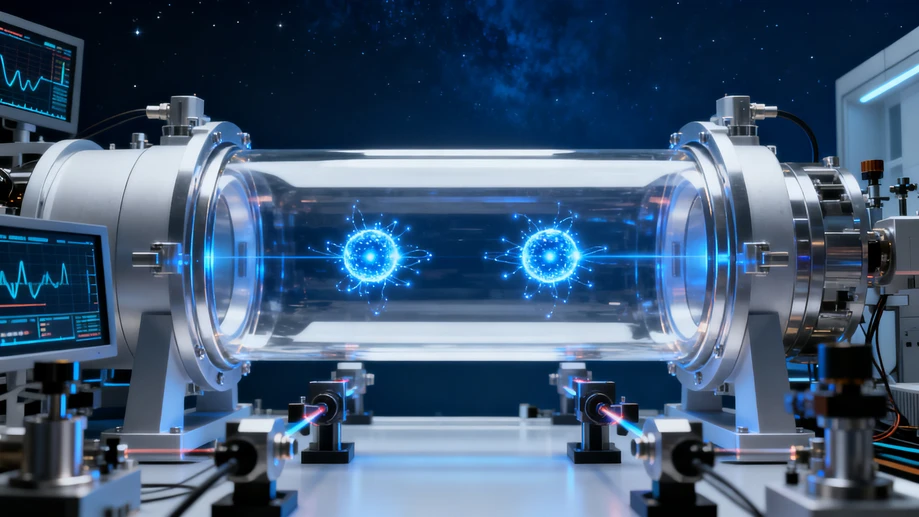
Nanotechnology operates at an invisible scale with colossal impact. Carbon nanotubes, 100,000 times thinner than hair, reinforce bicycle frames and tennis rackets with incredible strength-to-weight ratios. Self-cleaning window coatings use photocatalytic nanoparticles that break down dirt when exposed to sunlight. The medical field benefits from nanoscale silver particles woven into bandages that combat infections without antibiotics. Even your morning coffee stays hotter longer thanks to vacuum-insulated mugs with nanoparticle barriers that reduce heat transfer. These atomic-level innovations create materials with "impossible" properties impossible with conventional chemistry.
The Industrial Internet of Things connects machines like a digital nervous system. Sensors embedded in factory equipment continuously stream performance data to cloud platforms. At a Shanghai electronics plant, this real-time monitoring reduced energy consumption by 18% by identifying inefficient compressors. When a bottling line in Brazil detects inconsistencies in cap torque, it automatically adjusts pressure settings across multiple stations. Food manufacturers deploy wireless temperature trackers that monitor perishables throughout transit, automatically flagging refrigeration issues before spoilage occurs. This hyper-connected ecosystem creates self-optimizing production lines where machines communicate to prevent bottlenecks.
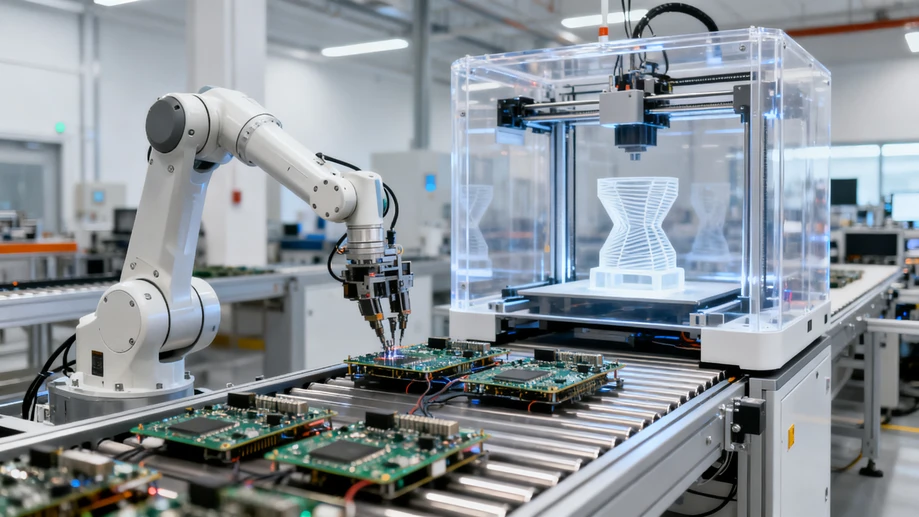
Advanced robotics completes this revolution through human-machine collaboration. "Cobots" equipped with force sensors safely assemble electronics alongside workers without safety cages. In Japan, nimble robotic fingers precisely place fragile microscope lenses that once required master technicians. Warehouse bots navigate autonomously, lifting entire shelves to packing stations – cutting order processing time by 80%. The most impressive developments appear in semiconductor plants, where ultraprecise arms position silicon wafers with nanometer accuracy under vacuum conditions. As these technologies converge, they create responsive manufacturing ecosystems where production adapts instantly to design changes, material shortages, and custom orders – ushering in an era where your next purchase might be manufactured just for you.