Could Your Next Meal Be Engineered by Biotechnology?
From farm to fork, invisible innovations are reshaping what we eat and how we heal
Imagine biting into a juicy tomato that stayed fresh for weeks, wearing a t-shirt made from fermented corn sugar, or receiving a vaccine grown in tobacco plants. This isn't science fiction – it's your grocery store, your wardrobe, and your medicine cabinet transformed by global biotechnology. While lab coats and petri dishes dominate popular imagery, the real revolution happens quietly in fields, factories, and pharmacies worldwide. Everyday items from bread to bandages now carry the fingerprint of biological engineering, weaving science into the fabric of normal life without most people ever noticing the threads.
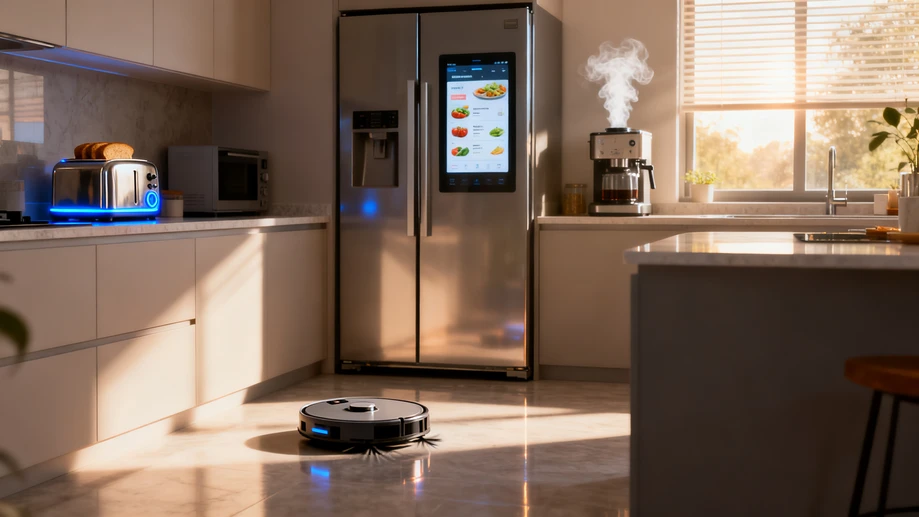
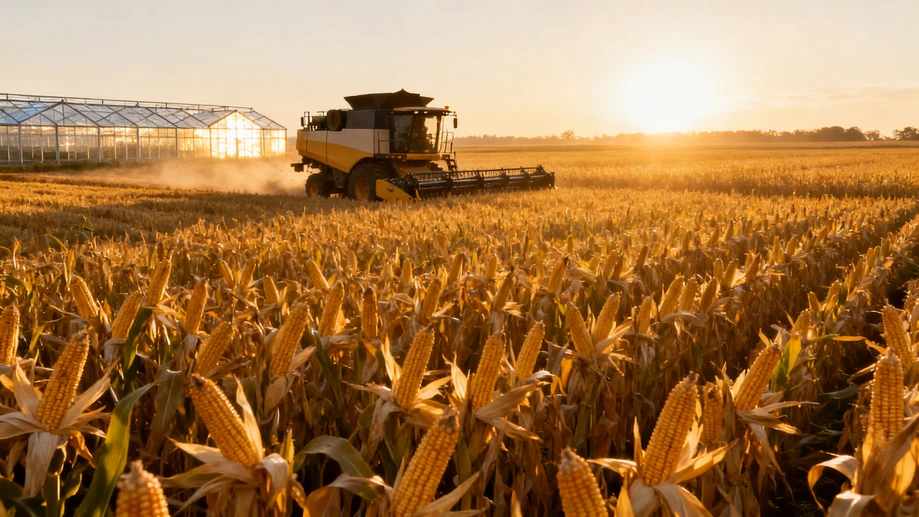
Consider your breakfast table. That golden toast likely came from wheat enhanced with disease-resistant genes through marker-assisted breeding. The orange juice might be fortified with vitamins produced by engineered yeast. Even the coffee beans could be from trees modified to withstand climate shifts. Agricultural biotech now touches 90% of U.S. corn and soy crops, reducing pesticide use by 37% globally since 1996. Farmers from Brazil to India plant flood-tolerant "scuba rice" that survives submerged for two weeks, while CRISPR-edited mushrooms resist browning on supermarket shelves. These aren't futuristic oddities but present-day solutions to hunger and waste.
Beyond the plate, biotechnology lives in your medicine cabinet. Insulin for diabetics? Produced by bacteria since 1982, replacing risky animal extracts. COVID vaccines? Many use mRNA technology that "teaches" cells to build defenses. Even laundry detergents contain enzyme cocktails brewed in microbial factories, breaking down stains at cooler temperatures. Researchers now explore banana-grown edible vaccines and spider-silk proteins for skin grafts. The global biotech market, valued at $1.37 trillion in 2022, quietly reshapes healthcare through such practical wizardry.
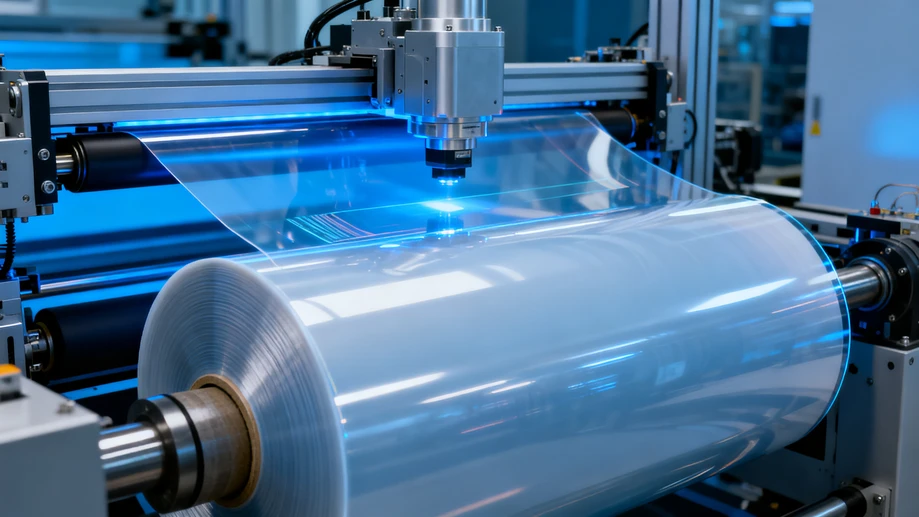
Industrial applications prove equally transformative. Microorganisms digest plastic waste into biodegradable polymers for packaging. Algae farms capture carbon while producing jet fuel. In fashion, companies like Bolt Threads create silk alternatives from fermented sugar. Construction materials embed self-healing bacteria that seal concrete cracks. These innovations demonstrate biotechnology's role not as a lab-bound curiosity but as an environmental ally, reducing landfill burdens and fossil fuel dependence through biological solutions.
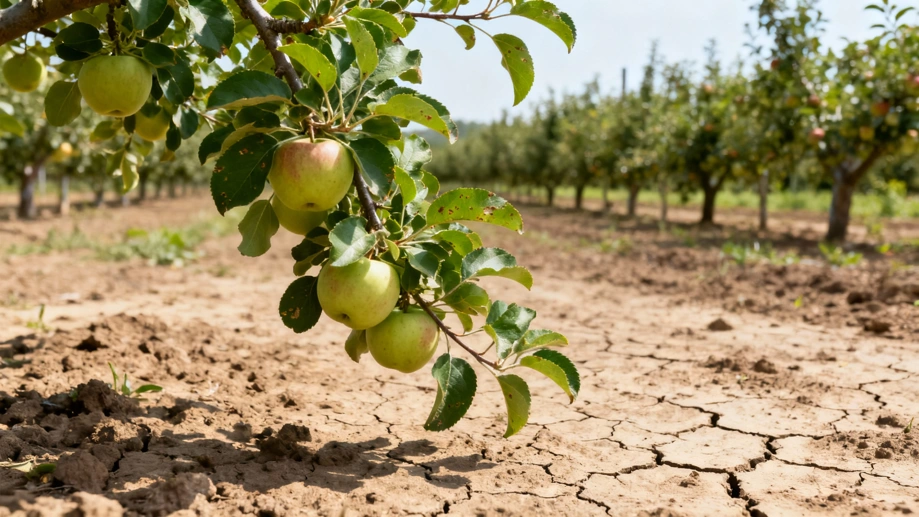
Ethical debates continue about GMO labeling and gene editing boundaries, yet the technology's integration is irreversible. As climate change accelerates, drought-proof crops and carbon-capturing microbes become survival tools. Regulatory frameworks evolve to balance innovation with safety, while startups democratize access through cloud labs. What began as niche science now sustains civilizations. The question isn't whether biotech shapes your life – it's how consciously you'll embrace this biological renaissance unfolding in your kitchen, closet, and community.