Is Your Smart Home Spying on You?
Uncover the Hidden World of AI That Lives in Your Living Room
Imagine walking into your home, greeted by a cheerful voice from your smart speaker, while the thermostat adjusts to your perfect temperature and the lights dim to create a cozy ambiance. This isn't science fiction—it's everyday life for millions, thanks to the rise of intelligent technology. But as these devices become our silent companions, a nagging question lingers: are they secretly eavesdropping on our private moments? The truth is far more fascinating than you might think. From voice assistants like Alexa to smart fridges that track your groceries, AI has woven itself into the fabric of our homes, making tasks effortless and even predicting our needs. Yet, beneath this convenience lies a complex web of data collection and machine learning. This article peels back the curtain to reveal how these gadgets work, why they're not quite as sneaky as Hollywood portrays, and how you can enjoy their benefits without feeling like you're in a spy movie. Get ready for a journey into the heart of your smart sanctuary—where the real magic happens when you're not even looking.
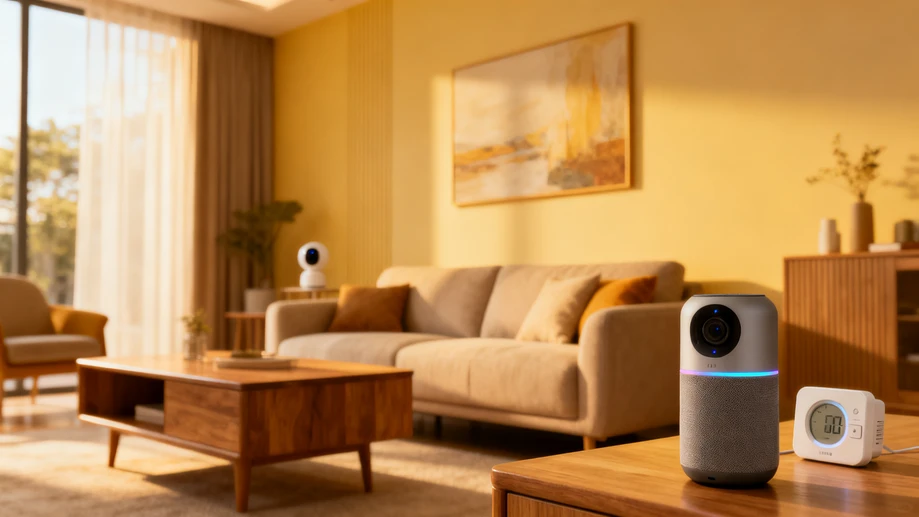
At its core, smart technology relies on simple yet powerful principles: sensors, algorithms, and connectivity. Take your voice assistant, for instance. When you say "Hey Google," it doesn't just hear you—it processes your words through a network of microphones and sends them to the cloud for analysis. There, AI algorithms break down your request, match it to patterns from millions of other users, and send back a response in seconds. This isn't spying; it's learning. Devices collect data like your daily routines, favorite music, or even when you're most likely to run out of milk. But here's the fun part: they don't store personal details unless you allow it. Think of it as a helpful friend who remembers your preferences to make life smoother. For example, a smart thermostat learns your schedule over weeks, adjusting temperatures to save energy when you're away. Or consider fitness trackers that monitor your sleep patterns, offering tips for better rest. These systems use anonymized data to improve, meaning your info is blended with others to enhance accuracy without invading privacy. It's a dance of efficiency and ethics, where the real thrill is seeing how AI adapts to your habits—like a puzzle that solves itself while you sip your morning coffee.
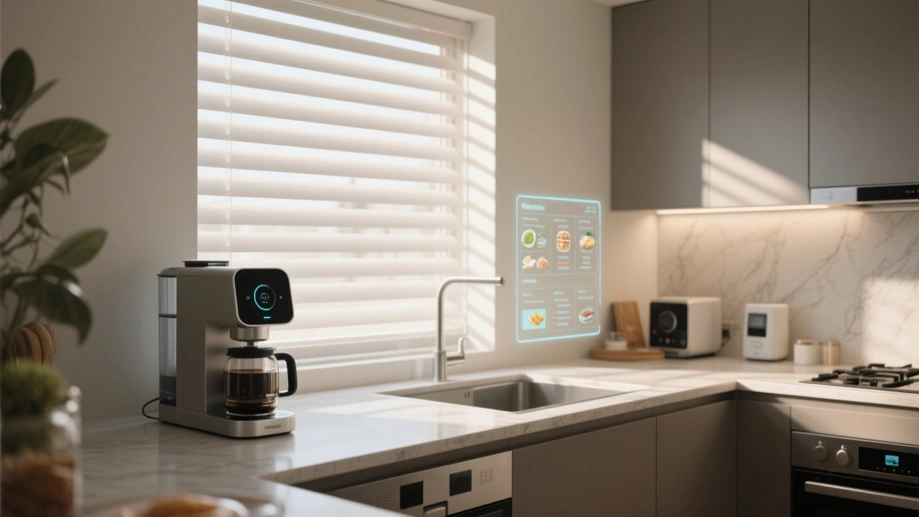
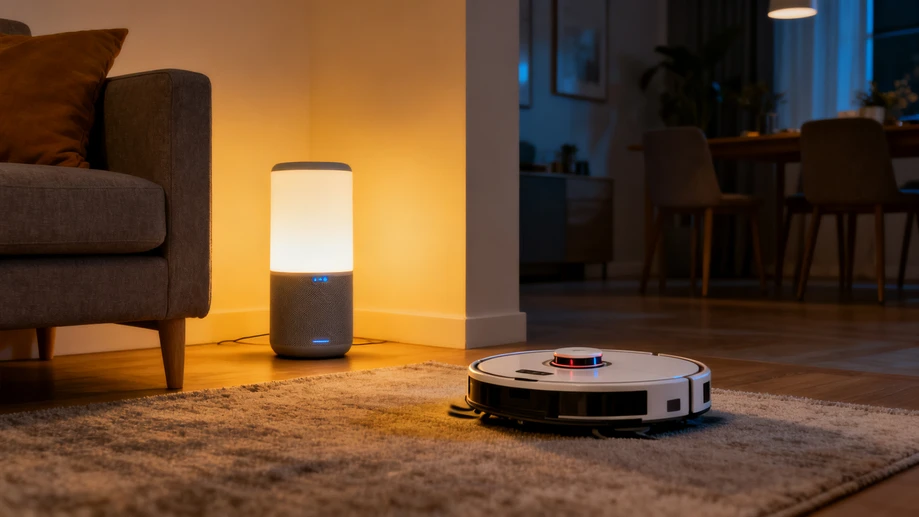
Now, let's dive into some real-world examples that make this tech feel alive. Picture Sarah, a busy mom who uses her smart home to juggle work and family life. Her doorbell camera alerts her when the kids arrive home from school, while her robot vacuum cleans up after dinner—all controlled by a simple app. One evening, she asks her speaker to play lullabies for her toddler, and it remembers the request for next time. This isn't magic; it's machine learning in action. But the fun twist? Sarah once joked that her speaker seemed to "know" when she was stressed, playing calming music unprompted. In reality, the device detected changes in her voice tone from past interactions, a subtle cue that AI uses to personalize responses. Similarly, smart kitchens are becoming stars of the show. Fridges with cameras can scan contents and suggest recipes, reducing food waste. Or take wearable tech: a fitness band might nudge you to take a walk after hours of sitting, based on movement data. These stories highlight how AI blends into daily routines, often with humorous mishaps—like a voice assistant mishearing "turn on the lights" as "order pizza," leading to unexpected deliveries. It's this human element that makes tech relatable and exciting, turning potential fears into laughs and learning opportunities.
Of course, with great power comes great responsibility—and that's where privacy concerns step into the spotlight. Many worry that devices are always listening or sharing data without consent. But the reality is more reassuring. Most smart tech only activates when triggered, like a wake word, and data is encrypted during transmission. Companies adhere to strict regulations, such as GDPR, requiring user permission for data collection. Plus, you can review and delete your history anytime through apps. For instance, if you're concerned about your smart TV tracking viewing habits, settings allow you to opt out of personalized ads. The key is balance: while AI learns from data to offer better services, it's designed with safeguards. Think of it as a two-way street. You benefit from convenience—like a home that anticipates your needs—while controlling what you share. A recent study showed that users who customize privacy settings report higher satisfaction, turning potential risks into empowering tools. So, instead of fearing a digital spy, view your smart home as a trusted ally. With simple steps like regular software updates and strong passwords, you can enjoy the perks without the paranoia. After all, the goal isn't surveillance; it's creating a seamless, joyful life where tech fades into the background.
Looking ahead, smart technology is evolving in ways that promise even more wonder without the worry. Innovations focus on enhancing user control and ethical AI, like devices with on-device processing that keep data local instead of sending it to the cloud. This means faster responses and greater privacy—imagine a future where your smartwatch analyzes your health data instantly without internet reliance. Already, we're seeing trends like AI-powered gardens that monitor soil moisture or pet feeders that dispense food based on schedules. These advancements stem from real-world feedback, making tech more intuitive and less intrusive. The fun part? As AI gets smarter, it becomes better at understanding context, reducing errors like those pizza mix-ups. For everyday users, this translates to a home that feels truly personal, adapting to moods and needs. To embrace this, start small: try a smart plug to control appliances remotely, or use a voice assistant for daily reminders. The journey isn't about perfection; it's about progress. By staying informed and engaged, you can turn your living space into a haven of innovation. Remember, the smart home isn't watching you—it's working for you, one clever trick at a time. So go ahead, ask that burning question, and let AI surprise you with its everyday magic.