The Dusty Truth: How Solar Panels Are Getting Smarter
The self-cleaning tech revolution boosting green energy output by 30% - and it's rain or shine.
We love seeing fields of solar panels gleaming under the sun, silently turning light into clean electricity. But there's a sneaky little problem many don't talk about: dust. Yes, plain old dust. It settles on those smooth glass surfaces, acting like tiny little sun umbrellas, blocking precious photons and silently robbing panels of their power. Research shows that in just a month of exposure in dry, dusty environments, a layer of grime can slash energy production by a shocking 20-30%. That's like planting an orchard and watching a third of your fruit wither before harvest!
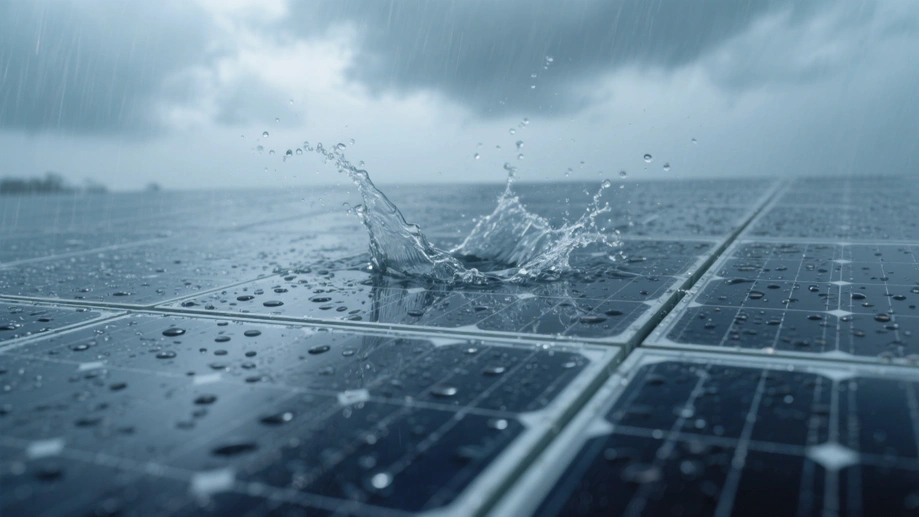
So, what's the solution? Manual cleaning? That involves crews with hoses, brushes, trucks, and a whole lot of water – impractical for remote or vast installations, and environmentally counterproductive. Nature's car wash? Rain helps, but it's unreliable, leaves streaks, and doesn't touch the fine, gritty dust that clings stubbornly. Enter the quiet revolution: self-cleaning solar panels. The goal wasn't just to make them clean, but to make them clever.
The core idea borrows inspiration from an unlikely model: leaves. More specifically, the lotus leaf. This humble plant possesses a microscopic structure on its surface that causes water to bead up and roll off instantly, carrying dirt away with it – a phenomenon called "superhydrophobicity." Scientists realized that mimicking this nanostructure on glass could create a similar 'self-cleaning' effect for solar panels. Early versions involved applying special nanocoatings after manufacturing. These coatings made the surface incredibly slick, encouraging water to form beads. As the beads rolled down the slope of the tilted panels (even under just the force of gravity), they acted like miniature vacuum cleaners, effortlessly collecting and removing particles in their path.
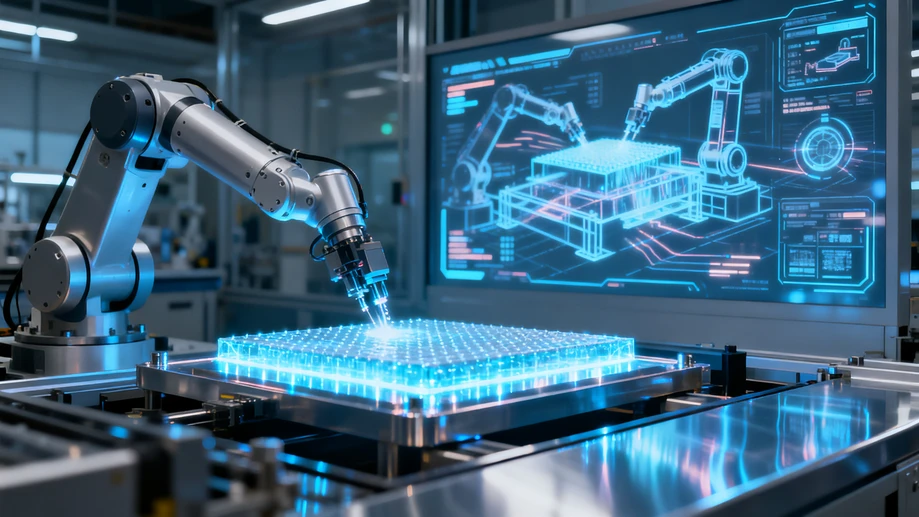
But tech evolution never sleeps. While coatings were a great start, researchers wanted something more integrated, more robust, and cheaper per watt. The next wave? Engineering the glass itself. New manufacturing techniques are emerging that directly imprint the desired nanostructure onto the glass surface during the panel production process. Think of it as etching millions of microscopic bumps – too small for the eye to see – right onto the top layer. This method skips the extra coating step, potentially reducing costs and significantly boosting durability. Tests show this embedded nanostructure holds up much better against long-term weathering, abrasion from wind-blown sand, and even repeated cleaning cycles.
Now, here's the magic beyond just keeping things clean. This isn't just about saving water or manpower (though that's a massive bonus). It's about squeezing out every drop of potential energy. Self-cleaning technology, whether by nano-coating or structured glass, directly translates into consistently higher energy yields. Systems equipped with this tech, especially in arid, dusty regions or areas with high pollution, avoid the crippling energy dips caused by grime buildup. Imagine a solar farm operating near its peak capacity almost constantly, rather than experiencing significant degradation over time. That’s a game-changer for efficiency and the economic viability of solar projects.
The implications are huge. More efficient panels mean needing fewer panels to generate the same amount of power. Less land used. Fewer resources consumed in manufacturing and installation. Combined with increasing panel efficiency rates themselves, this 'anti-dust tech' is a powerful multiplier. It makes solar a more reliable and predictable energy source, pushing it faster towards outcompeting fossil fuels on pure economics. As manufacturing scales, the cost premium for these self-cleaning features shrinks, making them increasingly standard. From dusty deserts to pollen-heavy forests and even smog-prone urban rooftops, the ability of solar panels to maintain their own cleanliness ensures they keep delivering maximum clean power, day after dusty day. It turns a mundane chore into a cornerstone of efficiency – one tiny, engineered bump at a time.