Unlocking Nature’s Blueprint: The CRISPR Boom in Fruit Orchards
Snipping and splicing genes to grow superfruits without a lab coat in sight.
The sweet crunch of an apple or the burst of flavor from a ripe berry hides a silent war fought in orchards worldwide. Fungi creep across leaves, viruses stunt growth, and droughts bake the soil – all threatening the fruits we love. For centuries, farmers battled these foes with selective breeding, playing matchmaker between tough but bland wild relatives and tasty commercial varieties. It’s slow work, like searching for a needle in a haystack over decades. Often, the desired traits come with unwanted baggage: that disease-resistant pear might also inherit hard, gritty flesh. Nature’s puzzle proved fiendishly complex to solve with old-school tools.
Enter the microscopic scissors shaking things up: CRISPR-Cas9. Think of it as nature’s own "find and replace" tool, borrowed from bacteria’s ancient immune systems. Unlike earlier genetic tinkering that often moved entire genes between species, CRISPR allows scientists to make targeted tweaks within a plant’s existing DNA. It’s less about adding foreign blueprints and more about fine-tuning the owner’s manual already written in the fruit’s genes. Need a grapevine to shrug off powdery mildew? Researchers might pinpoint a specific spot on its DNA linked to susceptibility and snip it out gently, letting the vine’s natural defenses take over. This precision feels less like genetic engineering and more like skilled orchard whispering.
The speed of this shift is staggering. What used to take generations of painstaking breeding can now be explored in a few seasons. Take citrus greening disease, the plague decimating orange groves. Scientists aren’t inventing wholly new oranges in secret labs; instead, they’re looking to wild citrus cousins that co-evolved with the disease-carrying bug. Using CRISPR, they identify snippets of the wild plant’s DNA code that tell it to fight off the invader. That crucial snippet gets precisely edited into beloved orange varieties, giving them a built-in shield without altering their iconic taste or appearance. The process sidesteps decades of risky crosses and keeps the juice flowing.
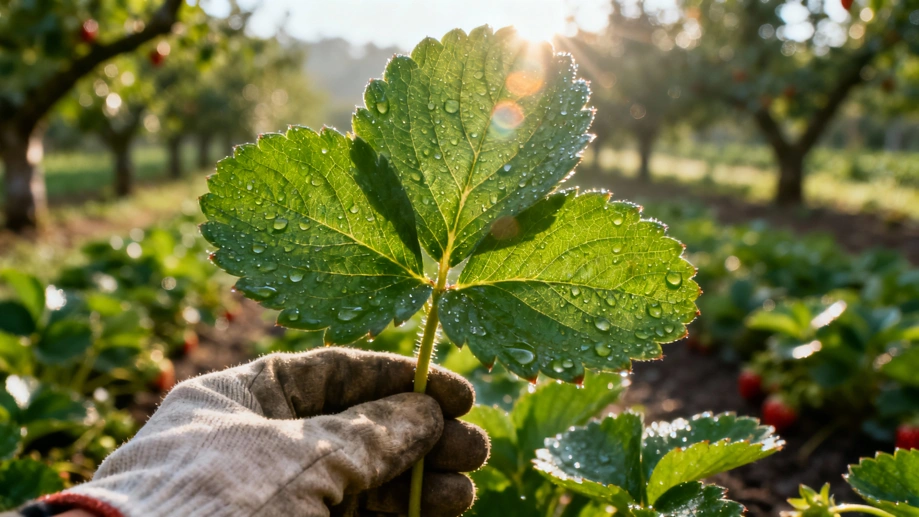
Beyond battling bugs, this toolkit unlocks flavors and strengths once locked away. Consider berries – notoriously fragile travelers prone to becoming mush in transit. Genes influencing cell wall structure can be subtly altered. The result? Strawberries that stay firm and vibrant for days longer after picking, reducing massive food waste between field and fridge. Even subtle taste differences matter. The compounds that give a peach its aromatic sweetness are encoded in its genes. By understanding and carefully adjusting this balance, future varieties might offer intensified, complex flavors nature could take millennia to stumble upon. The goal isn't synthetic novelty; it’s coaxing out the very best nature can deliver.
Of course, navigating this new terrain demands care. Rigorous testing ensures these precise edits create only the intended change, with no hidden surprises. Crucially, this approach avoids the long-standing controversy surrounding "GMOs" since CRISPR-edited plants typically contain zero "foreign" DNA – just their own code slightly refined. It opens possibilities for crops developed faster, using fewer pesticides, needing less water, and tailored to shifting climates. Picture future orchards: hardier trees resisting frost or drought due to genetic nudges inspired by desert plants, not drastic interventions.
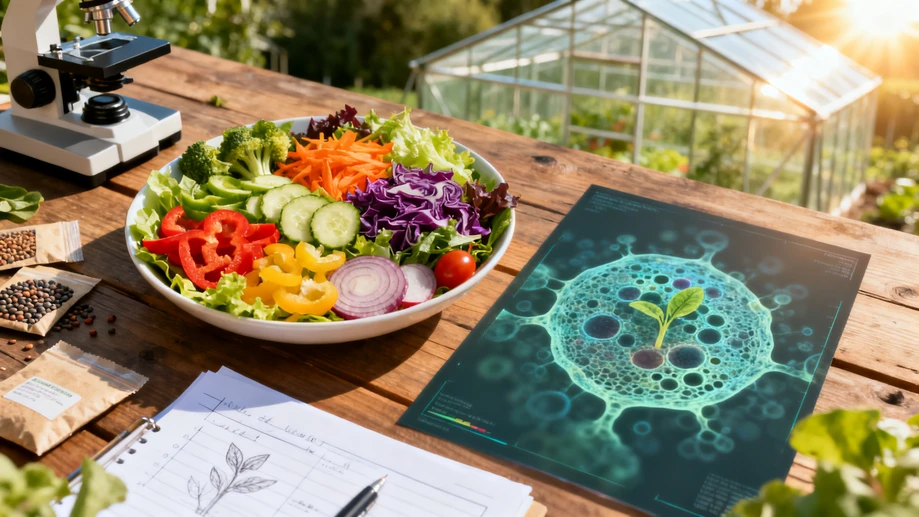
The revolution hums quietly, rooted in the dirt, not gleaming chrome. Forget sterile laboratories; the real work happens in sun-drenched fields and greenhouses buzzing with bees. As we decipher more of the intricate language written inside seeds and stems, the fruits we savor become testaments to partnership – respecting nature’s blueprint while offering a helping hand with the most delicate, targeted of tweaks. The orchard of tomorrow promises fruits that aren't just franken-foods, but naturally resilient, flavorful wonders grown smarter.