Wind Power's Perfect Trio: The Science Behind Three Blades
Why turbine designers swear by the magic number in renewable energy
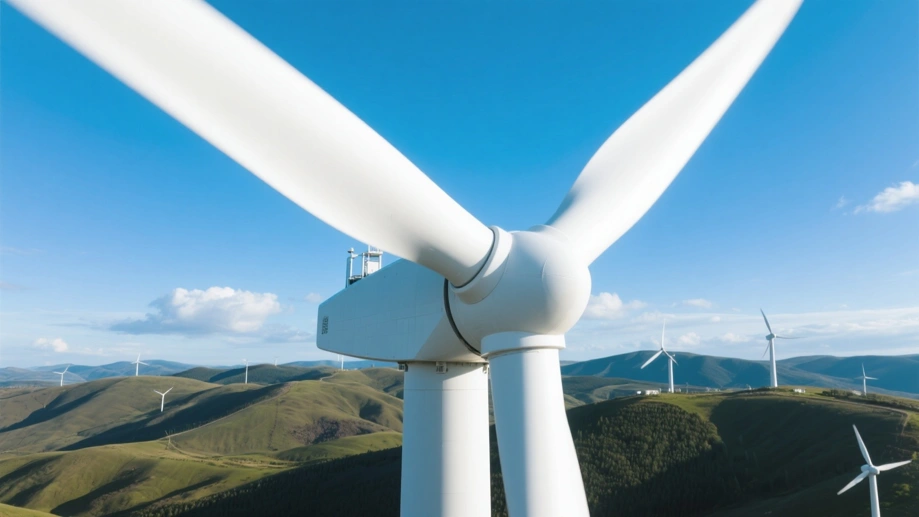
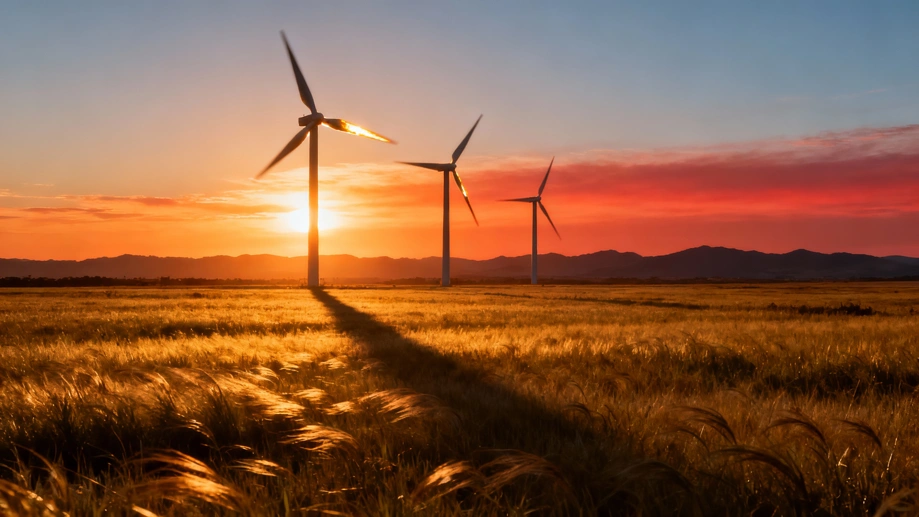
The silhouette of a modern wind turbine has become a universal symbol for clean energy. But have you ever stopped to wonder why nearly all these giants rocking back and forth on hilltops share one peculiar feature? Those three slender blades aren't just a design quirk – they're the result of decades of engineering battles between physics and economics.
Back in the early days of wind energy, engineers experimented with every configuration imaginable. Farms used to feature clunky multi-bladed windmills resembling oversized daisies. Test sites tried radical two-bladed designs that looked like runaway helicopter rotors. There were even single-blade prototypes requiring massive counterweights. Each design promised advantages, but they all came with deal-breaking trade-offs. Multi-blade turbines captured wind effectively at low speeds but became inefficient bricks during strong gusts. Single and double-blade versions? They shook themselves to pieces like unbalanced washing machines.
Enter the three-blade solution. When spinning, three blades create what engineers call "rotational symmetry." Picture a triangle spinning smoothly around its center – the weight stays perfectly balanced at every moment. This symmetry is the secret sauce preventing destructive vibrations. Two-bladed designs suffer from a wobble phenomenon called "gyroscopic precession" where the whole structure flexes violently whenever it turns to face shifting winds. Three blades eliminate this by having constant overlapping support.
The aerodynamic benefits run deeper than mere stability. Three blades strike a Goldilocks zone for energy capture. Each blade passes through the "clean" incoming wind before the turbulence from the previous blade spoils the airflow. Two blades leave too much time between "bites" of fresh wind, while four or more blades start blocking each other's airflow like crowded swimmers in a lane. Computational fluid dynamics models reveal three blades extract about 45% of available wind energy – only 3-5% less than theoretically perfect blades.
But why stop at three if four blades could squeeze out a bit more efficiency? The answer dives into cold, hard economics. Doubling blade count from three to six might boost energy capture by just 5%, but manufacturing costs would skyrocket by over 30%. Transport logistics become nightmares – imagine trucking fifty-meter long blades through mountain tunnels. Maintenance nightmares multiply with every extra connection point vulnerable to metal fatigue. Three blades proved to be the sweet spot where performance plateaus meet budget realities.
Modern turbine blades also hide sophisticated physics in their twist. Notice how they narrow dramatically from root to tip? This "taper ratio" counters the fact that blade tips move up to 6 times faster than their bases. Without careful shaping, tips would generate excessive drag while bases did little work. The gentle curve along the blade's length? That's a precisely calculated "pitch distribution" ensuring each segment attacks wind at its optimal angle whether spinning slow or fast.
Today's turbine designers still tinker at the margins – testing serrated trailing edges for quieter operation or curved winglet tips that claw back extra efficiency. But the fundamental trio persists from Denmark's offshore farms to Texas plains. This enduring design conquered not through revolutionary genius, but by elegantly balancing Newton's laws with boardroom spreadsheets. Sometimes the simplest solutions endure because the numbers never lie.