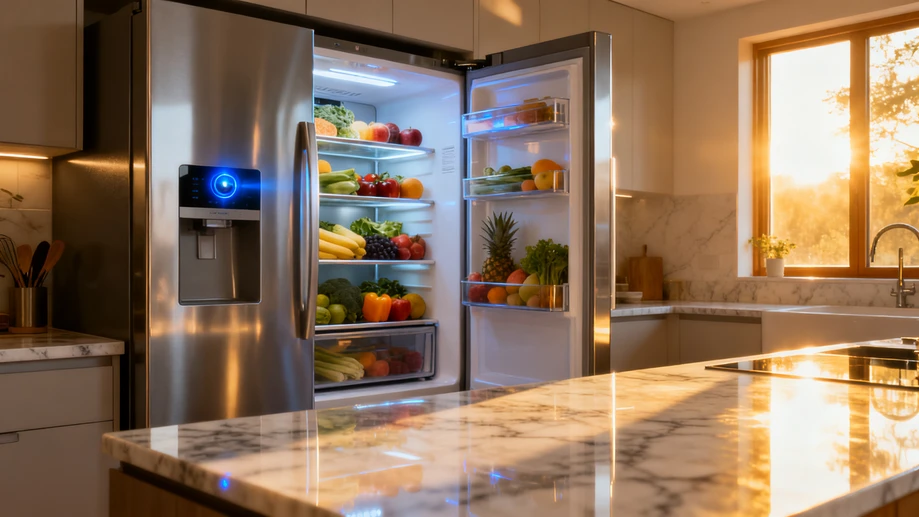
Is Your Fridge Secretly Judging Your Snack Choices?
The sneaky ways AI is turning ordinary appliances into food whisperers
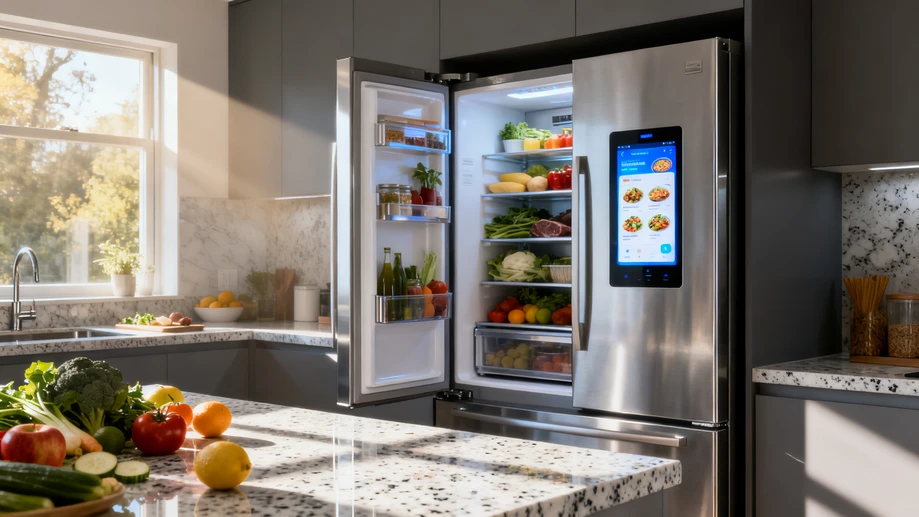
Picture this: You're staring into your refrigerator at midnight, contemplating that third slice of cheesecake. Unbeknownst to you, the appliance is analyzing your hesitation through internal cameras, cross-referencing it with your grocery purchase history. Modern smart fridges don't just chill your milk – they're learning your eating habits, predicting expiration dates, and even suggesting recipes based on what's about to go bad. This isn't sci-fi; it's 2024's kitchen reality where computer vision and machine learning transform passive cooling boxes into proactive food managers. The real magic happens silently as these units map your yogurt containers' positions and track consumption patterns without any buttons pressed.
How does an appliance gain such culinary intuition? Through a combination of tiny cameras and weight sensors lining the shelves. When you add groceries, the fridge snaps images and uses object recognition to identify items – distinguishing between Greek yogurt and sour cream with 95% accuracy. Weight sensors detect when you remove half the milk carton, while humidity monitors adjust compartments to keep berries fresh longer. The AI connects these data points: noticing you always buy avocados on Tuesdays, that the spinach usually spoils by day seven, and that you consistently ignore the celery. By Friday, it sends a push notification: "Your kale will expire tomorrow. Try this garlic sauté recipe!"
The practical benefits are deliciously tangible. Forget scribbling shopping lists; your fridge texts you "Out of eggs" while you're at the store. It warns when lunch meat approaches its use-by date, preventing midnight food poisoning surprises. More impressively, these culinary assistants solve the "what's for dinner" dilemma by scanning contents and suggesting meals – like proposing chicken stir-fry because the bell peppers need using. Some models even sync with smart ovens, preheating automatically when you select a recipe. During heatwaves, they optimize energy use by cooling more intensely during off-peak hours, slicing electricity bills by 15% without sacrificing ice cream consistency.
Privacy concerns naturally bubble up when appliances develop observation skills. Manufacturers implement multiple safeguards: image processing occurs locally without cloud uploading, facial recognition is disabled by default, and users control data sharing. The real vulnerability lies in connectivity – a hacked fridge could theoretically leak grocery data to advertisers. Yet most consumers happily trade privacy for convenience; 68% of smart fridge owners report reduced food waste within three months. The greatest resistance comes from older generations who find it unnerving when their refrigerator critiques their snack choices via notification.
This kitchen intelligence is spreading beyond fridges. Smart microwaves now recognize frozen foods and adjust cooking times, while AI coffee makers learn your morning schedule. The next wave involves ecosystem integration – imagine your fridge alerting your grocery delivery app when you're low on staples, or your oven suggesting dessert recipes based on your fridge's leftover fruit. As these technologies mature, we'll see less food waste, fewer grocery emergencies, and perhaps even healthier eating habits. Just don't be surprised when your appliance gently suggests: "Consider replacing that midnight cheesecake with Greek yogurt."