Is Your Digital Life Trapped in Web 2.0's Wall Garden?
Unlocking the decentralized future where you own your data, identity, and online interactions
Imagine scrolling through social media while knowing every click, like, and personal detail is harvested, packaged, and sold without your consent. This isn't dystopian fiction—it's our current digital reality. Web 2.0 platforms built empires by centralizing user data in walled gardens, turning you into both consumer and product. But cracks are appearing in these digital fortresses. Enter Web3: an internet rebuilt on blockchain technology where power shifts from corporations to individuals. Unlike today's web, where tech giants hold the keys to your digital kingdom, Web3 hands you the master key through decentralized networks. Here, your photos, financial transactions, and creative work aren't stored on a company server but exist across thousands of computers globally, governed by transparent rules rather than opaque corporate policies.
At the heart of this revolution lies blockchain—a digital ledger that's public, permanent, and impossible to tamper with. Think of it as a communal notebook where every participant holds an identical copy. When someone adds information (like transferring cryptocurrency or minting digital art), every copy updates simultaneously through cryptographic verification. This eliminates the need for intermediaries like banks or social media platforms to validate transactions. Ethereum, the most prominent Web3 platform, takes this further with "smart contracts"—self-executing agreements written in code. These digital robots automate everything from royalty payments for musicians to apartment rentals, executing terms precisely when conditions are met without human intervention or bias.
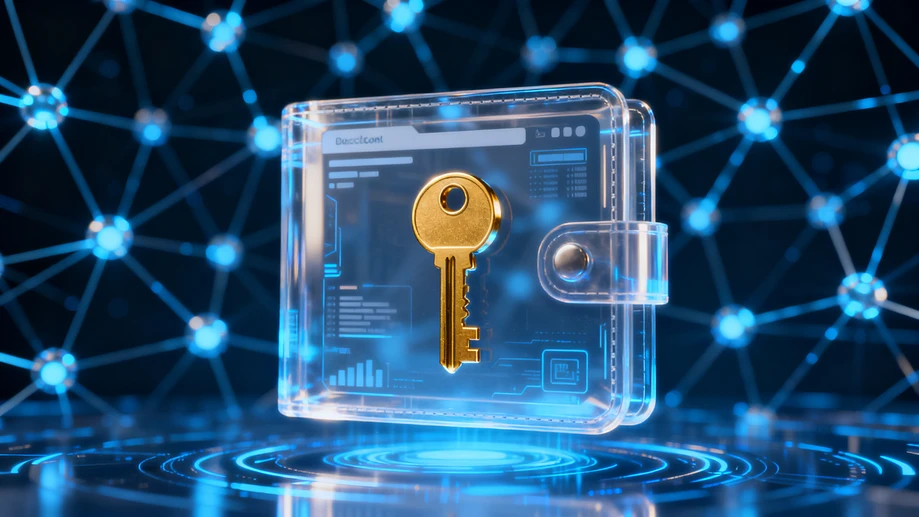
Your passport to this new internet? A crypto wallet. Unlike physical wallets holding cash, these digital counterparts store cryptographic keys proving ownership of assets and identity. MetaMask or Trust Wallet apps become your gateway to decentralized applications (dApps)—the Web3 equivalent of websites. When you log into a dApp like Uniswap (a decentralized exchange) or Audius (a music streaming service), your wallet connects without surrendering personal data. Transactions occur peer-to-peer; swapping tokens or tipping artists happens directly between wallets. Crucially, you retain ownership: that NFT artwork in your wallet can't be deleted because a platform changes policies, and your transaction history remains yours alone.
Beyond finance, Web3 reshapes daily digital interactions. Consider content creation: On YouTube, algorithms bury videos while ads generate revenue you never see. Web3 platforms like Mirror allow writers to publish directly to readers, with payments flowing instantly via cryptocurrency and community governance deciding platform upgrades. Even gaming transforms—play-to-earn games like Axie Infinity let players truly own in-game assets as NFTs, which can be sold or used across compatible games. Digital identity, too, evolves from scattered logins to portable "self-sovereign identity" stored in your wallet, verifiable without revealing personal details when signing up for services or voting in DAOs (Decentralized Autonomous Organizations).
This shift isn't without challenges. Blockchain transactions currently consume significant energy, though solutions like Ethereum's "Merge" to proof-of-stake reduce consumption by 99%. Scalability issues cause slow speeds during peak usage, and the absence of central authorities means no customer support hotline for lost crypto keys. Yet momentum builds daily: Major brands like Nike and Starbucks launch NFT projects, DeFi platforms handle billions in transactions, and governments explore blockchain for voting systems. Preparing for Web3 requires no technical expertise—just curiosity. Start by setting up a free crypto wallet, explore dApps, or join a DAO. The internet you know is undergoing its most significant transformation since the dial-up modem. The question isn't whether Web3 arrives, but whether you'll be watching from the sidelines or holding the keys to your digital future.