Banana Armor: Engineering Immunity in the World’s Favorite Fruit
How cutting-edge biotechnology is rewriting the DNA of bananas to save them from extinction
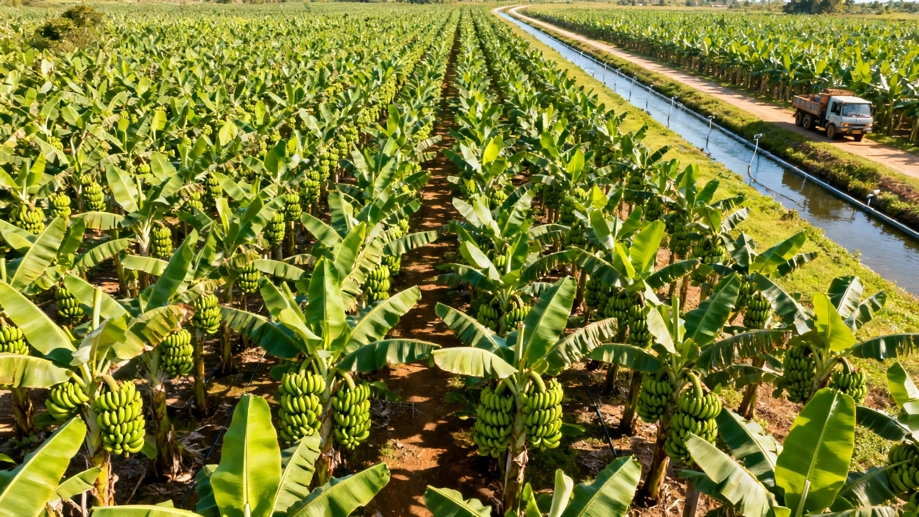
Imagine walking into your local grocery store and finding empty shelves where bright yellow bananas should be. This isn’t science fiction—it’s a real possibility threatening the world’s most popular fruit. A deadly fungus called Tropical Race 4 (TR4), or Panama disease, has been wiping out banana plantations across Asia, Africa, and Australia. It’s the botanical equivalent of a zombie apocalypse for Cavendish bananas, which dominate global trade. When the fungus strikes, it chokes plants from the inside, turning lush green fields into withered graveyards within months. Farmers watch helplessly as their livelihoods turn to dust, and scientists race against time.
Traditional breeding methods hit a brick wall with bananas. Most commercial varieties are sterile clones with identical genes—perfect targets for disease. Breeding disease-resistant bananas through conventional cross-pollination takes decades, assuming fertile seeds can even be produced. Chemical sprays offer temporary relief but can’t stop the soil-borne fungus permanently. This is where biotechnology steps in like a precision toolkit. Unlike old-school genetic modification, modern techniques like CRISPR gene editing work like molecular scalpels rather than sledgehammers. They tweak existing banana DNA without adding foreign genes, essentially giving nature’s blueprints a targeted upgrade.
Researchers focused on a clever workaround: borrowing resilience from unlikely sources. Wild banana species, long ignored as inedible or tough, hold genetic goldmines for disease resistance. Using CRISPR, scientists pinpointed and activated specific defense genes in these hardy relatives—genes that recognize invading fungi and trigger immune responses. They then snipped these sequences into the Cavendish genome. The result? Banana plants that spot TR4 early and fight back. Field trials in infected soils showed remarkable success: while ordinary Cavendish plants wilted within weeks, the edited versions stood tall and healthy, their roots unfazed by the lurking killer.
For farmers, this breakthrough couldn’t come sooner. Panama disease has already destroyed over 10,000 hectares of farmland in recent years. With gene-edited bananas, growers avoid costly crop rotations and relentless chemical warfare. The reduced pesticide use alone protects nearby rivers and bee populations—a cascade of ecological relief. In developing nations where bananas provide 25% of daily calories for some communities, losing this staple could mean malnutrition crises. A study in Uganda demonstrated that villages growing disease-resistant banana variants saw a 40% income jump within two harvest cycles.
On your kitchen counter, the impact is simpler but no less vital. Gene-edited bananas promise consistent supply chains without price spikes. Future varieties could even pack extra nutrients like beta-carotene into the fruit—a boon for vitamin-deficient regions. Of course, hurdles remain. Regulatory approvals vary wildly across countries, and some consumers still harbor doubts. But transparent field testing and flavor-focused results (these bananas taste identical to ordinary ones) help build trust. Australia greenlit its first commercial TR4-resistant banana in 2024, signaling shifting tides.
Beyond bananas, this approach offers lessons for all vulnerable crops. Climate change accelerates the spread of plant diseases, from citrus greening to coffee rust. Biotech tools are becoming farmer’s field armor worldwide—faster, cheaper, and more natural than ever imagined. As one researcher aptly put it, we’re not playing genetic chess; we’re simply giving plants the tools they desperately need to survive modern threats. The humble banana may become biotechnology’s greatest ambassador, turning the tide against extinction—one delicious bite at a time.