Is Your Digital Wallet Truly Yours? Web3 Rewrites the Rules of Ownership
Discover how blockchain technology is transforming digital property from temporary permissions to actual possession
Picture this: You spend months building a rare character in an online game, collecting exclusive skins and powerful weapons. One day, the game company bans your account over a disputed transaction. Poof! Your entire digital collection vanishes into thin air. This isn't science fiction - it's the daily reality of Web2, where corporations control the digital assets we "own." Your music library? Licensed. Your e-books? Leased. Your social media content? Hosted on servers that could erase your existence with one policy update. We live in an era where we pay for digital experiences but never truly possess them, like tenants in a virtual landlord's empire.
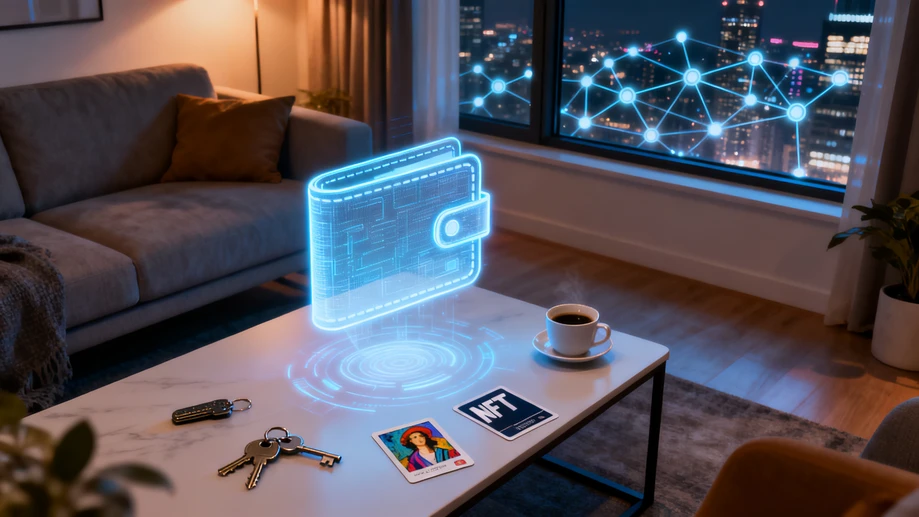
Enter Web3 - the architectural revolution quietly dismantling this feudal system. At its core lies blockchain technology, a decentralized public ledger that records transactions across thousands of computers simultaneously. Unlike traditional databases controlled by single entities, blockchain creates transparent, tamper-proof records of ownership. When you buy a digital asset on Web3, it's not stored in a company's server but recorded on this distributed ledger. Through cryptographic keys only you control, you gain actual ownership rights. This shift transforms digital items from licensed permissions to genuine property, as verifiable as a deed to physical land.
The magic unfolds through Web3's building blocks. Non-Fungible Tokens (NFTs) turn digital files into unique, ownable assets with provable scarcity - whether it's artwork, music, or virtual real estate. Decentralized Finance (DeFi) platforms enable peer-to-peer lending and trading without banks, where smart contracts automatically execute agreements when conditions are met. Imagine a musician releasing songs as NFTs, receiving royalties automatically through blockchain payments every time their work changes hands. Or consider virtual worlds where players truly own their digital homes and can sell them freely, with ownership history permanently etched in blockchain records.
Beyond digital collectibles, Web3 reshapes everyday interactions. Decentralized social media platforms are emerging where users control their data and get paid for engagement, rather than becoming the product. Supply chains use blockchain to provide transparent product journeys - scan a coffee bag's QR code to see its entire farm-to-cup history verified on-chain. Even physical items like sneakers now come with digital twins, creating hybrid ownership experiences. While still evolving, these applications demonstrate how Web3 moves us from asking permission to exercising rights, turning passive users into active owners.
This transformation faces real-world challenges. Energy consumption concerns around blockchain validation persist, though solutions like proof-of-stake mechanisms significantly reduce environmental impact. Regulatory frameworks are still catching up to these new ownership models, creating legal gray areas. User experience hurdles remain - managing cryptographic keys feels less intuitive than password logins. Yet the trajectory is clear: as wallet interfaces simplify and layer-2 solutions speed up transactions, Web3 is steadily integrating into mainstream digital experiences, redefining what it means to truly own something in the internet age.
The revolution won't happen overnight, but the foundation is set. Major brands from Nike to Starbucks now offer blockchain-based ownership experiences. Web browsers like Brave reward users with cryptocurrency for viewing ads. As you read this, artists bypass galleries to sell directly to collectors, gamers trade assets across different virtual worlds, and communities govern shared resources through decentralized autonomous organizations (DAOs). The question shifts from "Can I access this?" to "Do I control this?" - a fundamental reimagining of digital existence. Your wallet isn't just holding currency anymore; it's becoming the key to your digital sovereignty.