Build Your Own Future with 3D Printing Magic!
Uncover how cutting-edge manufacturing tech is transforming everyday life, from custom sneakers to lifesaving medical devices.
Imagine waking up to a world where your morning coffee cup isn't just mass-produced but tailor-made to fit your hand perfectly, printed overnight in your living room. This isn't science fiction—it's the reality of today's global advanced manufacturing revolution, driven by technologies like 3D printing that are reshaping how we create, consume, and connect. From bustling urban hubs to rural villages, these innovations are making high-quality goods accessible and affordable, slashing waste and sparking creativity. Think of it as the industrial revolution on steroids, but with a personal touch: instead of giant factories churning out identical items, we're entering an era of bespoke production where anyone can design and print objects at home or via local hubs. It’s all about democratizing creation, reducing our carbon footprint through precision manufacturing, and unleashing human ingenuity in ways that feel as natural as ordering takeout. The key players? Visionaries and engineers worldwide, collaborating across borders to turn raw materials into smart, sustainable solutions—without a single lab coat in sight.
At the heart of this transformation lies 3D printing, a technology that builds objects layer by layer from digital blueprints, using materials ranging from biodegradable plastics to advanced metals. Picture this: a small business owner in Tokyo uses a desktop 3D printer to craft custom-fit eyeglass frames in minutes, while in Nairobi, a startup prints affordable prosthetic limbs that adjust to a child's growth. The magic is in the precision—no more wasted resources or one-size-fits-all compromises. Instead, algorithms analyze scans of your feet to generate sneakers that cushion every step, or a dentist sends a digital model to a printer that fabricates a crown while you wait. This isn't just convenient; it's eco-friendly, cutting transport emissions by producing locally. Globally, industries like automotive and fashion are adopting it: Adidas prints midsoles for running shoes on demand, and Tesla prototypes car parts faster than ever. The result? Less inventory piling up in warehouses, and more power in consumers' hands to co-create products that reflect their unique needs.
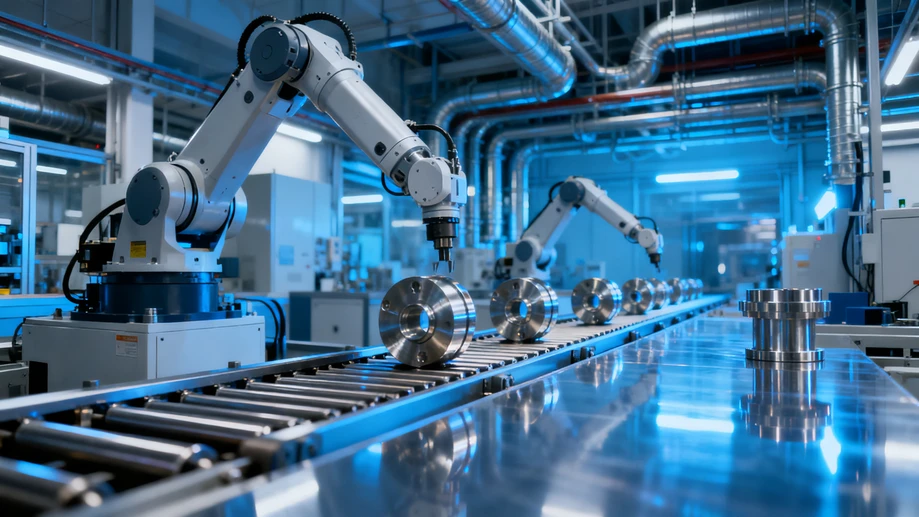
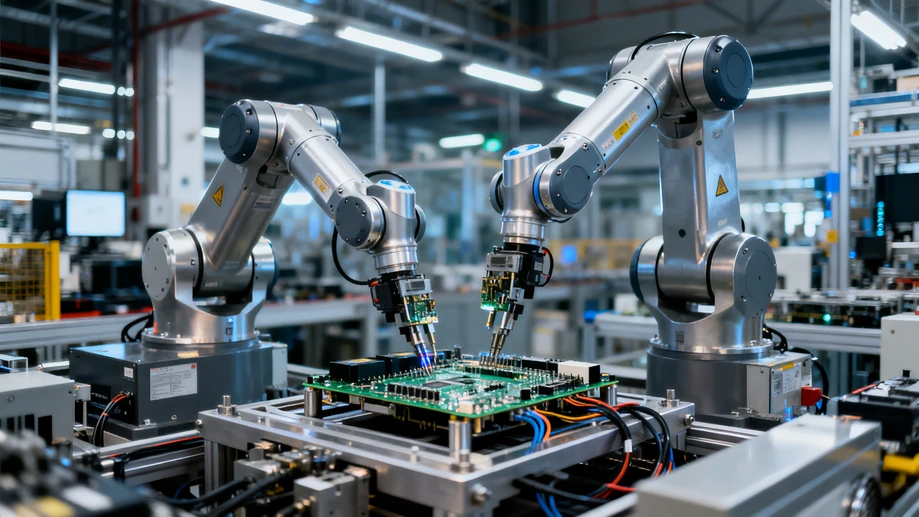
But 3D printing is only part of the story—enter artificial intelligence and the Internet of Things (IoT), which are turning factories into brainy, self-optimizing hubs. In a smart factory in Germany, sensors monitor assembly lines in real-time, using AI to predict maintenance needs and prevent breakdowns before they happen. This means machines can learn from past errors, like a robotic arm that adjusts its grip based on feedback to handle fragile items. It's not about replacing humans; it's augmenting skills, making jobs safer and more efficient. For instance, workers use AR glasses to overlay digital instructions onto physical tasks, reducing errors in complex assembly. The impact? Faster production cycles, lower costs for everything from smartphones to furniture, and a global supply chain that adapts to disruptions like pandemics. In your daily life, this translates to better-quality appliances that last longer and personalized home goods ordered through apps—all crafted with minimal waste. It's a seamless blend of digital and physical worlds, where innovation thrives on collaboration.
The real charm of this tech lies in its tangible benefits, weaving into daily routines without fanfare. Take healthcare: hospitals now use 3D printers to create patient-specific implants for joint replacements, speeding up recovery times. Or consider education: schools in rural areas print affordable models for science classes, sparking young minds with hands-on learning. Even hobbies get a boost—artists design intricate jewelry on tablets and print it overnight, while DIY enthusiasts build custom bike racks. This accessibility is fueled by cloud platforms that let anyone upload designs for global sharing, fostering a maker movement that’s inclusive and inventive. Economically, it empowers small entrepreneurs, like a woman in Brazil who launched a business printing eco-friendly kitchenware from recycled plastics. Sustainability is a core perk, too: factories cut energy use by 30% with AI-driven efficiency, and materials like mushroom-based polymers are breaking down into compost. It’s proof that high-tech manufacturing isn't just for experts; it's a tool for everyday problem-solving.
Looking ahead, the future of advanced manufacturing promises even greater integration, with breakthroughs in bioprinting that could one day print living tissues for medical grafts. Yet, this isn't a distant dream—companies are already piloting projects like 3D-printed homes in disaster zones, built rapidly from local resources. Challenges remain, such as ensuring digital security and equitable access, but global efforts like open-source hardware communities are addressing them. What’s clear is that this revolution is making luxury personalization the norm, not the exception, while driving toward a greener planet. So, embrace this new era: it’s not about sci-fi robots, but practical innovations that enrich lives, spark joy, and build a world where creativity knows no bounds.