Digging into the Earth's Power Bank
How geothermal energy taps into our planet's fiery core for clean electricity
Picture your morning coffee. That soothing warmth transferring from cup to hands – that’s conduction in action. Now scale that idea up a million fold and you’ll grasp the basic principle behind geothermal energy. Deep beneath our feet, the Earth stores immense heat from its molten core and decaying radioactive materials. This planetary furnace constantly generates temperatures hotter than the surface of the sun, creating a massive thermal battery we're just beginning to harness.
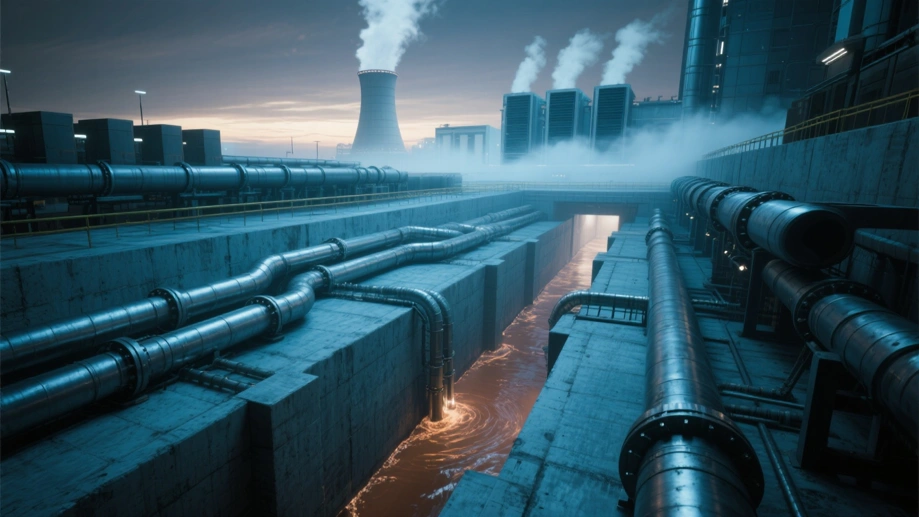
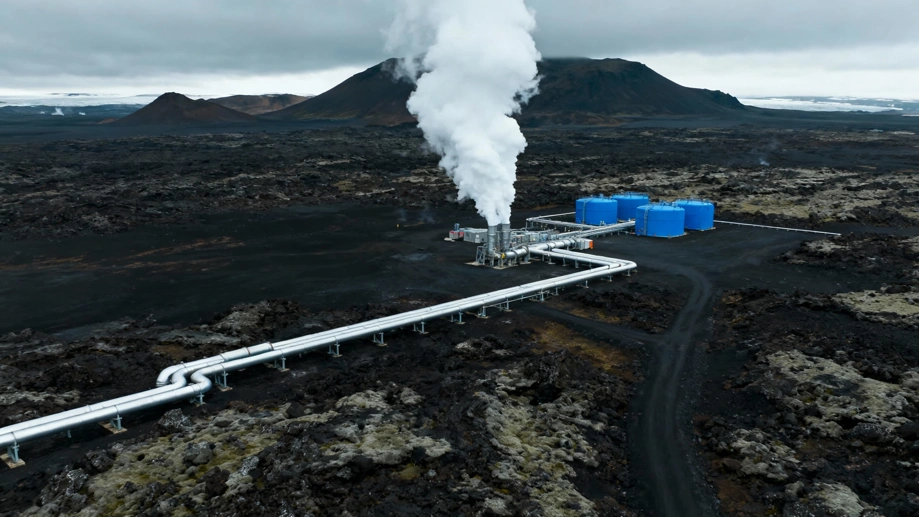
While most renewable sources depend on weather whims, geothermal offers something special: reliability. Tapping into underground reservoirs of steam and hot water, we convert Earth's steady warmth into continuous power. The process starts by drilling wells up to 3 kilometers deep – about twice the height of the Burj Khalifa skyscraper – to reach water naturally heated below 150°C. This pressurized hot water gets pumped toward the surface where the pressure drop instantly vaporizes it into steam.
This high-pressure steam then rushes through turbines, spinning them like industrial-scale pinwheels. These rotations activate generators that push electrons into our power grids. What’s particularly clever comes next: instead of wasting the leftover water after steam production, it gets reinjected back underground. This sustainable loop reheats the water by circulating it past hot rocks, effectively recharging the thermal reservoir beneath our feet.
You might wonder why we don't see geothermal plants everywhere. Geography plays a critical role. Prime locations form where tectonic plates collide or drift apart, creating fracture zones that let heat reach shallower depths. Think volcanic hotspots like Iceland or geyser fields like Yellowstone. Recent advances, however, are breaking these geographical constraints through engineered geothermal systems. These projects create artificial reservoirs by fracturing deep, hot rock formations where no natural reservoirs exist.
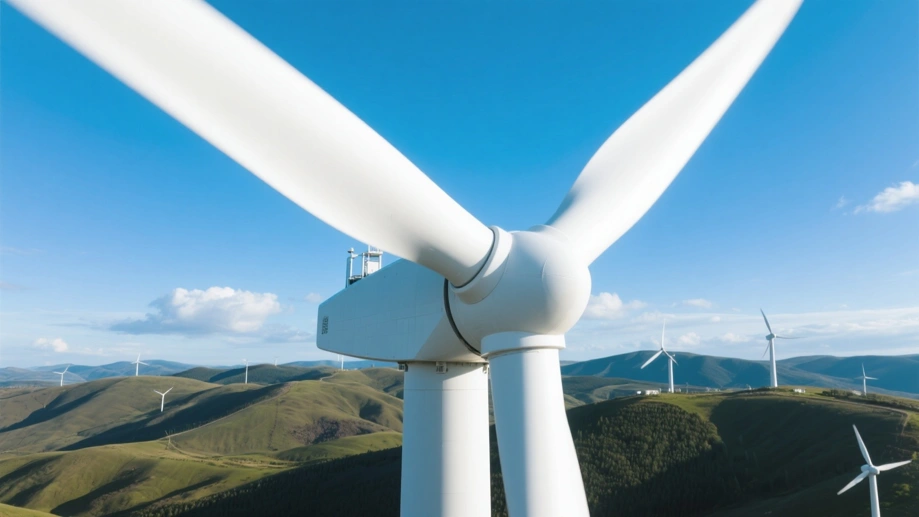
Unlike the towering wind farms dotting landscapes or vast solar fields glittering under sunlight, geothermal’s footprint stays remarkably compact. The entire operation occurs mostly underground and within modest power station buildings. This minimizes visual pollution while maximizing land efficiency – a single acre of geothermal plant generates over 50 times more annual power than an acre of solar panels. Even the emissions tell an impressive story: geothermal plants release less than 6% of the carbon dioxide per kilowatt-hour compared to natural gas plants.
Beyond power generation, this technology serves communities in beautifully practical ways. In some regions, the warmed water from geothermal plants gets piped directly for building heating systems. It melts icy sidewalks during harsh winters, heats greenhouses for year-round agriculture, and even maintains tropical temperatures in public swimming pools. This dual-purpose efficiency makes geothermal an unsung hero of the energy transition.
The future looks bright as innovation accelerates. Scientists now experiment with supercritical water systems – tapping into geological zones where extreme heat and pressure create water behaving more like a liquid-gas hybrid. These "supercritical" states could boost energy output fivefold from existing well designs. Other explorers are mapping deeper subterranean zones using seismic techniques originally developed for oil exploration, revealing new drilling targets across unexpected regions.
Our planet generously provides this constant thermal gift. With every megawatt generated from below, we offset thousands of tons of carbon emissions while creating local jobs that can't get outsourced. As drilling technology advances and global investment grows, geothermal power quietly shifts from niche player to foundational element in our clean energy mix. This hidden energy flowing beneath our feet might just become the bedrock of our sustainable future.