Are We Living in the Age of Invisible Factories?
From Nanobots to Smart Dust: How Manufacturing Vanished Before Our Eyes
Imagine a world where factories hum not with the roar of machinery, but with the silent dance of atoms. Where products aren't just assembled, but seemingly grown or woven from the fabric of the material itself, layer by minuscule layer. This isn't science fiction; it's the frontier of advanced manufacturing, and it's quietly reshaping everything around us, often without us even noticing. The most cutting-edge factories are becoming less about massive plants and more about precision so fine it operates at scales invisible to the naked eye, blurring the lines between making things and manipulating matter itself.
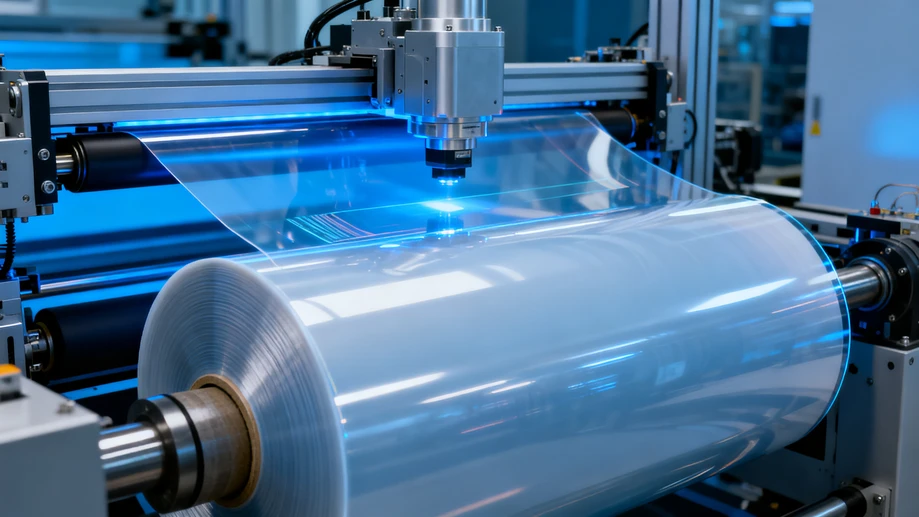
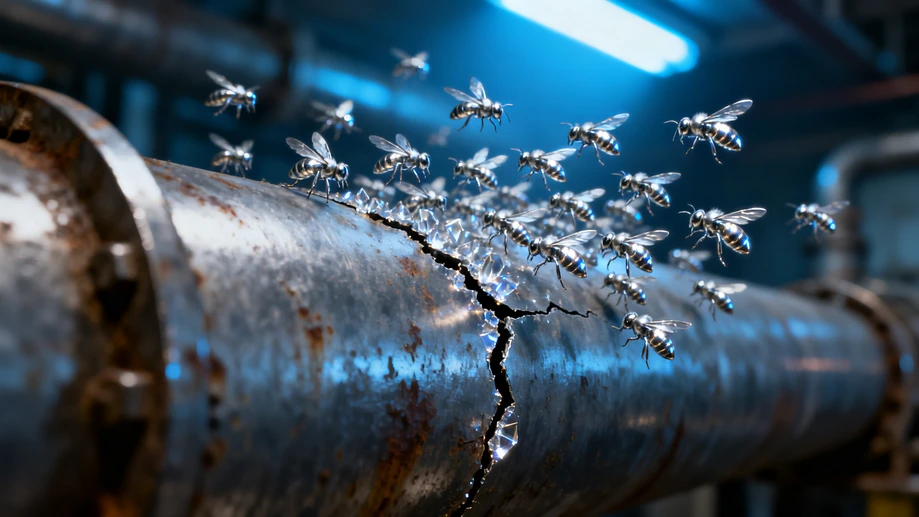
At the heart of this revolution lies nanotechnology. Think of nanobots – not the sentient swarms of movies, but sophisticated molecular machines guided by sophisticated algorithms. Researchers are developing ways for these tiny agents to perform tasks like repairing micro-cracks deep within critical infrastructure like bridges or airplane wings, potentially extending their lifespans dramatically. More visibly, nanotechnology powers the vibrant, energy-efficient displays in our latest smartphones and TVs through quantum dots. These semiconductor nanocrystals, precisely engineered in size, emit pure, specific colors when stimulated by light, creating images far more vivid and using less power than traditional LEDs. It’s color science perfected at the atomic level.
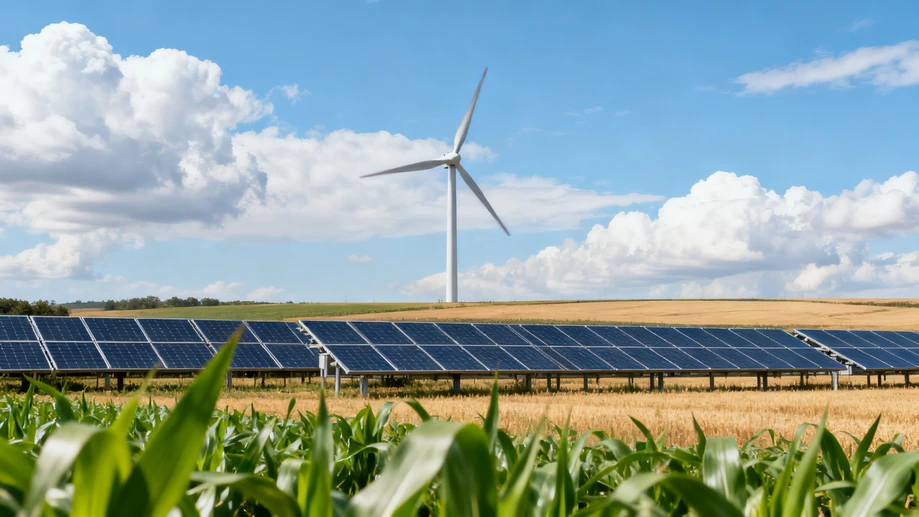
Then there's the concept of 'Smart Dust' – networks of microscopic sensors, potentially as small as a grain of sand, packed with processing power, wireless communication, and sensing capabilities. Imagine these sprinkled across a vast agricultural field, continuously monitoring soil moisture, nutrient levels, and crop health in real-time, sending data wirelessly to optimize irrigation and fertilization with pinpoint accuracy, minimizing waste and maximizing yield. Or picture them embedded within the composite materials of a wind turbine blade, constantly monitoring structural integrity for stress fractures long before they become visible or dangerous, enabling predictive maintenance and preventing catastrophic failures. This pervasive sensing turns inert objects into intelligent systems.
Material science breakthroughs are equally transformative. Additive manufacturing, commonly known as 3D printing, has moved far beyond plastic trinkets. Aerospace giants now print complex, lightweight fuel nozzles for jet engines as single, intricate metal components, replacing assemblies of dozens of parts. This not only reduces weight (crucial for fuel efficiency) but also enhances strength and reliability. Bioprinting explores the frontier of printing living tissues using 'bio-inks' composed of cells and supportive materials. While complex organs are still distant, progress is being made in printing skin grafts for burn victims or cartilage for joint repairs, hinting at a future of personalized regenerative medicine manufactured on demand.
Artificial Intelligence (AI) is the invisible conductor orchestrating this new manufacturing symphony. AI algorithms analyze vast streams of data from sensors embedded throughout the production line, predicting equipment failures before they happen, optimizing energy consumption in real-time, and performing ultra-fast, hyper-accurate quality control. Machine vision systems, powered by deep learning, can spot microscopic defects on a circuit board or a pharmaceutical tablet faster and more reliably than any human eye, ensuring near-perfect quality at unprecedented speeds. AI also drives generative design, where engineers specify functional requirements and constraints, and AI algorithms explore countless permutations to generate highly optimized, often organic-looking structures that minimize material use while maximizing strength – designs a human might never conceive.
So, are factories disappearing? Not exactly. They are evolving, becoming cleaner, quieter, vastly more efficient, and incredibly precise. The heavy lifting, the visible assembly lines, might become less prominent, replaced by clean rooms where matter is manipulated atom-by-atom and by vast, interconnected networks of intelligent sensors and AI-driven systems. The next time you marvel at the clarity of your screen, feel the lightness of a new gadget, or benefit from a medical implant, remember: you might be holding a product of the invisible factory, born from the silent, extraordinary revolution happening at the very edge of what we can see.