The Astonishing Evolution of Renewable Energy!
Discover how cutting-edge green technologies are transforming our daily lives and powering a sustainable future.
Imagine waking up to a world where your home runs entirely on clean energy, harvested from the sun and wind, without a single drop of fossil fuel. This isn't science fiction—it's happening right now, as renewable energy technologies surge forward at an unprecedented pace. Global energy demands are skyrocketing, with cities and communities seeking affordable, eco-friendly solutions to combat climate change. Innovations like smart grids and AI-driven energy management systems are making it possible for ordinary households to generate their own power, slashing bills and carbon footprints simultaneously. The shift isn't just about saving the planet; it's about empowering people with reliable, everyday energy that feels as natural as flipping a light switch. From bustling urban centers to remote villages, this green revolution is reshaping how we live, work, and play, proving that sustainability can be both practical and thrilling.
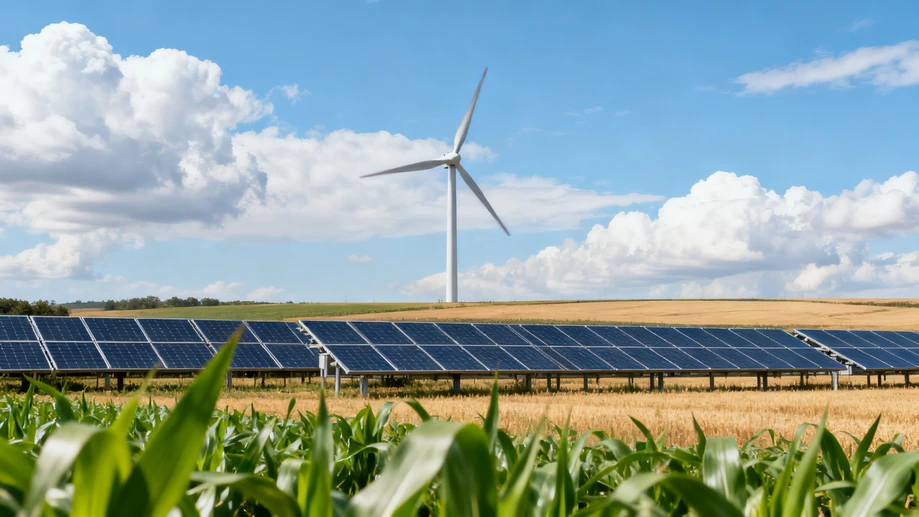
Solar power, once seen as a niche alternative, has exploded into the mainstream thanks to breakthroughs in photovoltaic technology. Today's solar panels are thinner, more efficient, and astonishingly affordable, with some models converting over 22% of sunlight into electricity—doubling the output of a decade ago. Companies like Tesla integrate solar roofs into suburban homes, blending seamlessly with architecture while generating enough power to run appliances and even charge electric cars. Meanwhile, perovskite solar cells are emerging as game-changers; these lightweight, flexible materials can be printed like ink onto surfaces, turning windows or even clothing into mini power generators. In sunny regions like California, entire neighborhoods now share solar energy through community microgrids, reducing reliance on traditional utilities. This isn't just tech for tech's sake; it's delivering real savings, with families reporting up to 50% lower energy costs, making clean power a tangible part of daily routines.
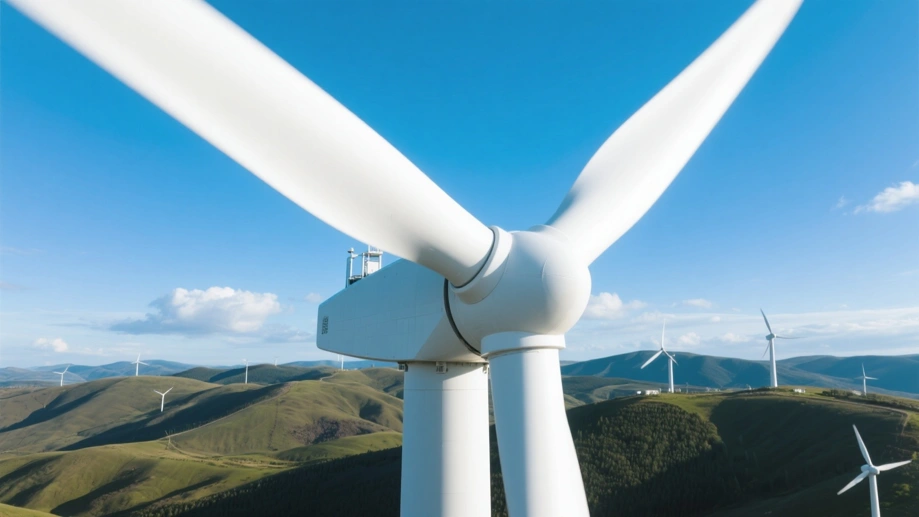
Wind energy is also soaring to new heights, quite literally, with massive turbines now dotting landscapes and oceans worldwide. Floating wind farms, anchored in deep waters, harness stronger, steadier breezes to produce gigawatts of electricity—enough to power small cities. These turbines are quieter and more efficient than ever, with blades spanning the length of football fields, capturing energy even in low-wind conditions. Off the coast of Scotland, projects like Hywind have set records, providing reliable power to thousands of homes while minimizing environmental impact. On land, vertical-axis turbines are popping up in urban settings, integrated into buildings or parks to generate local energy without the noise of traditional models. This isn't just about big industrial projects; farmers in the Midwest use smaller turbines to supplement income, selling excess power back to the grid, turning wind into a profitable, everyday asset that fuels communities sustainably.
Energy storage is the unsung hero of the renewable revolution, solving the age-old problem of intermittent supply. Lithium-ion batteries, familiar from smartphones, have evolved into home-scale units like the Tesla Powerwall, storing solar energy for nighttime use and ensuring blackout-free resilience. But the real excitement lies in solid-state batteries, which promise longer lifespans, faster charging, and enhanced safety—no more overheating risks. Imagine charging your electric car in minutes or powering your home for days during a storm. Innovations like flow batteries use liquid electrolytes for grid-scale storage, stabilizing power networks and enabling towns to run solely on renewables. Practical applications abound: in Australia, households with battery systems report near-zero energy bills, while grid operators use storage to balance supply, making clean energy as dependable as flipping a switch. This tech is empowering consumers, turning passive users into active participants in the energy ecosystem.
Beyond solar and wind, other renewable frontiers are quietly revolutionizing our world. Geothermal energy taps into Earth's natural heat, with systems that can heat homes in winter and cool them in summer using underground loops—common in places like Iceland and increasingly in US suburbs. Hydrogen fuel cells are gaining traction, powering buses and trains with emissions only of water vapor, while advancements in tidal energy harness ocean currents to generate predictable, 24/7 power. Even waste isn't wasted anymore; innovations in bioenergy convert organic trash into biogas for cooking and heating, reducing landfill use and creating circular economies. These technologies aren't futuristic fantasies; they're integrated into everyday life, from fuel-cell-powered taxis in Tokyo to geothermal heating in New York apartments, demonstrating that diverse, clean solutions can work in harmony for a resilient future.
As we stand on the brink of an energy renaissance, it's clear that renewable technologies are no longer alternatives—they're the new norm, driving down costs and boosting accessibility. Governments and businesses are investing billions, creating jobs and fostering innovation that trickles down to everyday consumers. The future is bright: picture smart cities where energy flows seamlessly between homes, vehicles, and grids, all powered by infinite natural resources. This isn't just about survival; it's about thriving in a world where clean energy empowers us all. So, whether you're installing solar panels or simply charging your phone with green power, you're part of this incredible journey. Let's embrace it—because the evolution of renewable energy isn't just astonishing; it's unstoppable.