5 Unbelievable Ways Your Morning Coffee Moves Global Markets
How your daily brew fuels economic waves from Brazilian farms to Wall Street screens
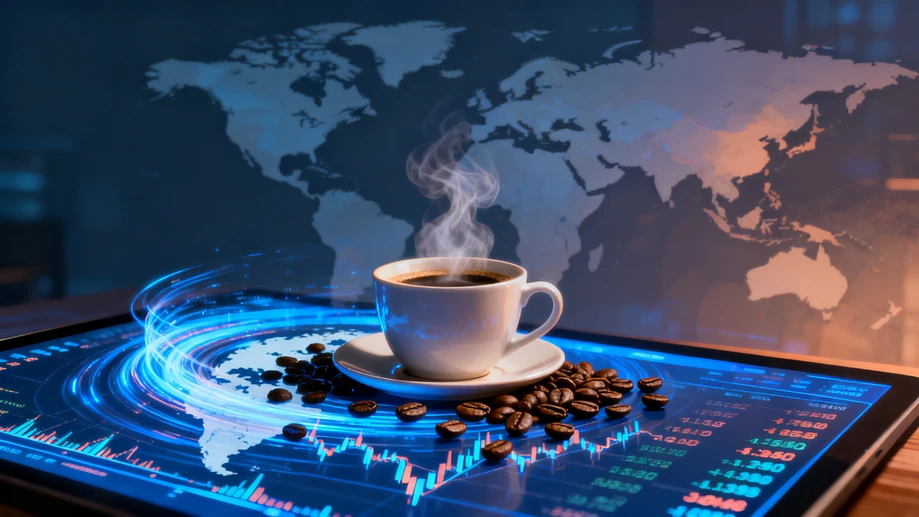
That steaming cup in your hand does more than wake you up—it's a liquid engine driving trillion-dollar economic currents. Coffee ranks as the world's second most traded commodity after crude oil, with over 2.25 billion cups consumed daily. When frost nips Brazilian plantations or droughts parch Vietnamese highlands, futures markets in New York and London shudder like an espresso machine on overdrive. The $200 billion global industry connects farmers in Ethiopia to algorithmic traders in Chicago through a complex supply chain where a 10-cent price swing per pound can mean feast or famine for entire communities.
Consider the coffee futures market: a high-stakes casino where speculators bet on tomorrow's prices today. When hedge funds detect potential shortages, they hoard contracts like rare beans, sending prices soaring. This happened dramatically in 2022 when climate disruptions created a "coffee deficit" equivalent to 3.4 million bags. The resulting price spike made your latte more expensive while turbocharging profits for traders who predicted the crunch. Yet these paper transactions ripple back to Colombian mountainsides, where smallholders suddenly gain bargaining power against multinational buyers.
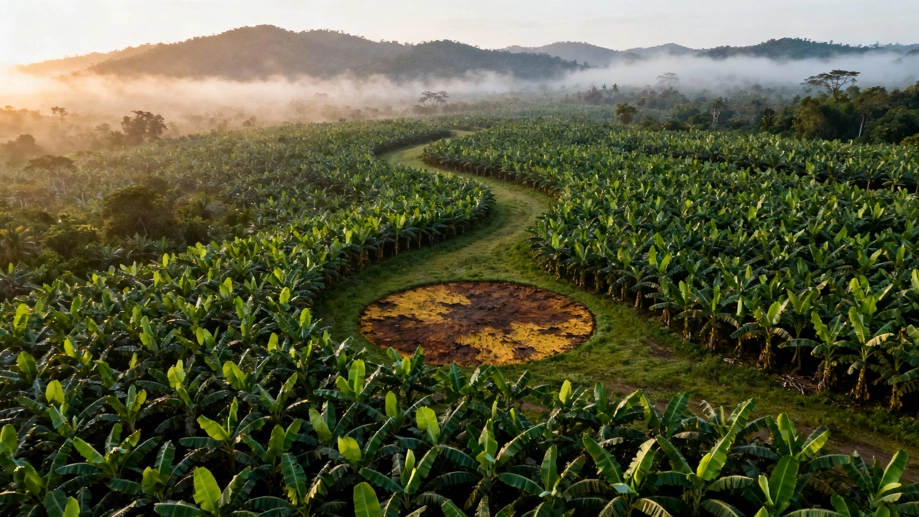
Climate change brews particularly bitter economics for coffee. Arabica plants—the champagne of beans—require specific altitudes and temperatures now threatened by warming. Scientists project suitable growing regions could shrink 50% by 2050, forcing countries like Honduras to reinvent agriculture. Meanwhile, Vietnam's robusta farms battle erratic monsoons that transform harvest forecasts into gambles. Insurers now offer "weather derivatives" allowing farmers to hedge against bad seasons, creating financial instruments as complex as your barista's latte art.
The sustainability wave transforms coffee economics too. When consumers pay premiums for fair-trade or bird-friendly certification, they're funding microloans for Peruvian cooperatives. Blockchain trails now let drinkers scan QR codes to tip Ethiopian growers directly, bypassing traditional middlemen. Even coffee waste fuels innovation: startups convert used grounds into biofuel while "coffee cherry" husks—once discarded—become trendy cascara teas. This circular economy turns waste streams into revenue streams, proving ethical consumption isn't just virtuous but profitable.
Finally, observe how coffee culture reshapes real estate and retail. Specialty cafes became anchors reviving urban neighborhoods, boosting property values like caffeine jolts. During the pandemic, home brewing equipment sales exploded, shifting profits from baristas to appliance makers. Now automated coffee kiosks appear in airports and offices, blending robotics with retail in a $5 billion "unmanned cafe" boom. Your humble bean journey reveals how global finance dances to the rhythm of daily rituals—one sip at a time.