Is Your Coffee Cup Secretly a Supercomputer?
Nanotech is weaving invisible intelligence into the fabric of everyday life, turning mundane objects into marvels.
Forget clunky robots and flying cars; the most profound revolution in manufacturing is happening at a scale invisible to the naked eye. Imagine your morning coffee cup. It's just ceramic or glass, right? What if, embedded within its very structure, were billions of microscopic sensors and circuits, capable of monitoring the temperature of your brew, tracking its chemical composition for optimal flavor, even alerting you when it's perfectly cooled to your preferred sipping point? This isn't science fiction; it's the burgeoning reality of advanced nanomanufacturing. By manipulating matter atom by atom, scientists and engineers are creating materials and devices with astonishing, almost magical properties, fundamentally altering the objects we interact with daily. The supercomputer isn't on your desk; it's being woven into the fabric of your world.
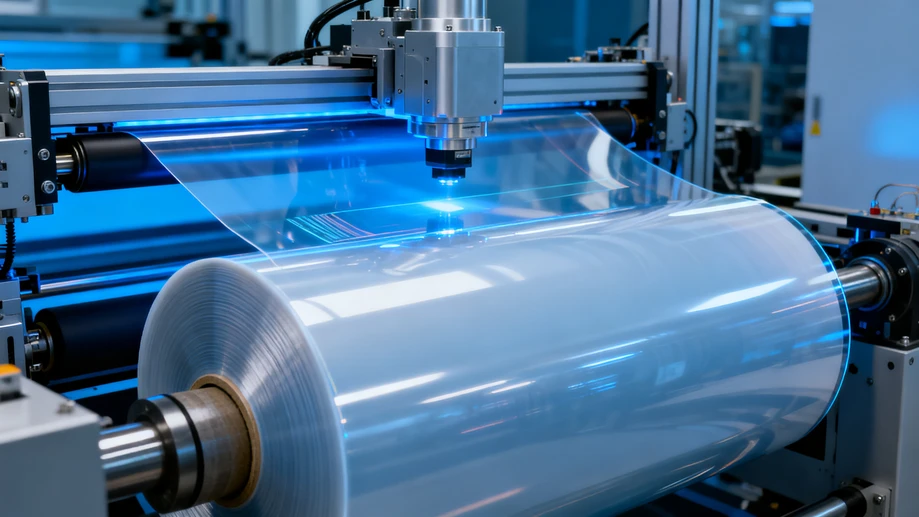
The magic lies in precision beyond imagination. Traditional manufacturing carves, molds, or casts materials. Nanomanufacturing, however, builds from the ground up. Techniques like Atomic Layer Deposition (ALD) meticulously add materials one atom-thick layer at a time, creating incredibly thin, uniform, and defect-free coatings. Think of it like painting a surface with perfect, single-molecule-thick brushstrokes, billions of times over. This allows for the creation of surfaces that repel water and dirt with unprecedented efficiency (superhydrophobic coatings on your phone screen or car windshield), materials that generate electricity from heat differences (thermoelectrics capturing waste heat from engines or even your body), and structures so strong yet lightweight they revolutionize aerospace and automotive design. The control is so fine, it enables the integration of electronic functions directly into materials – creating 'smart matter'.
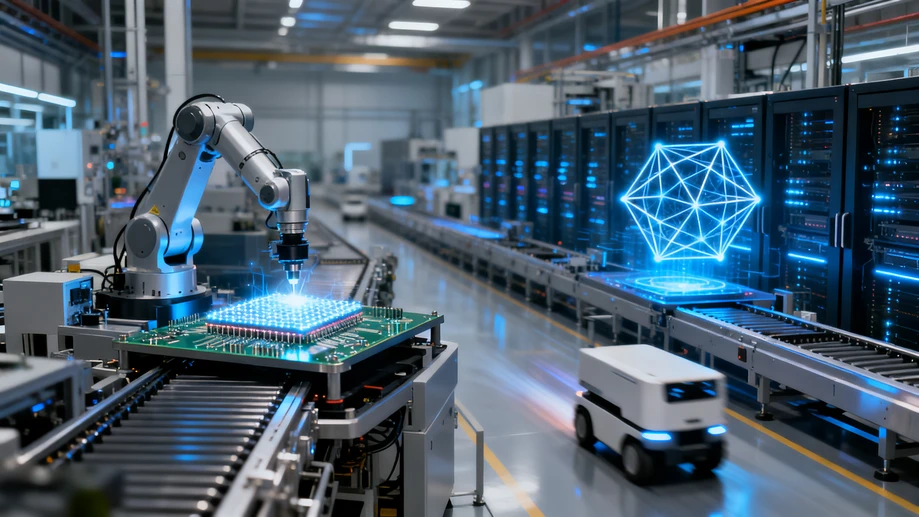
This isn't confined to labs; it's hitting the shelves and streets. Consider your smartphone. Its incredibly powerful processor relies on transistors now measured in mere nanometers – smaller than a virus. The camera sensor uses nanostructured materials to capture more light and produce stunning low-light photos. The screen likely incorporates quantum dots, nanocrystals that emit incredibly pure colors, for that brilliant display. Beyond gadgets, nanotech is making cars safer and more efficient with lighter, stronger composite materials and self-healing scratch-resistant coatings. In medicine, nanoparticles deliver drugs precisely to diseased cells, minimizing side effects, while nanocoatings on medical implants prevent infection. Even your clothes might soon incorporate nanofibers for superior stain resistance, temperature regulation, or air purification.
The frontier keeps expanding. Researchers are pushing towards 'atomically precise manufacturing,' where every single atom is placed intentionally. Imagine creating materials with zero defects, or designing catalysts that make industrial chemical processes vastly more efficient and cleaner. 4D printing takes 3D printing into the nanoscale, creating objects that can self-assemble or change shape in response to environmental triggers like temperature or moisture – think of pipes that adjust their diameter based on flow, or medical implants that morph to fit perfectly. Bio-inspired nanotech is another hot area, mimicking nature's efficiency, like the structure of a butterfly wing for incredible color without pigments, or the self-cleaning mechanism of a lotus leaf for next-gen surfaces.
The impact is transformative and deeply personal. This isn't just about faster computers; it's about objects that anticipate our needs, protect our health, conserve resources, and interact with the world intelligently. Your coffee cup might not run complex simulations (yet!), but the same fundamental technologies enabling its potential 'smartness' are driving a silent, pervasive revolution. The future of manufacturing is invisible, intelligent, and already integrating itself seamlessly into the rhythm of our daily lives, turning the ordinary into the extraordinary, one nanometer at a time.