The Silent Signal: How WiFi Waves Conquer Concrete Barriers
Unlocking the fascinating physics behind your invisible home networks.
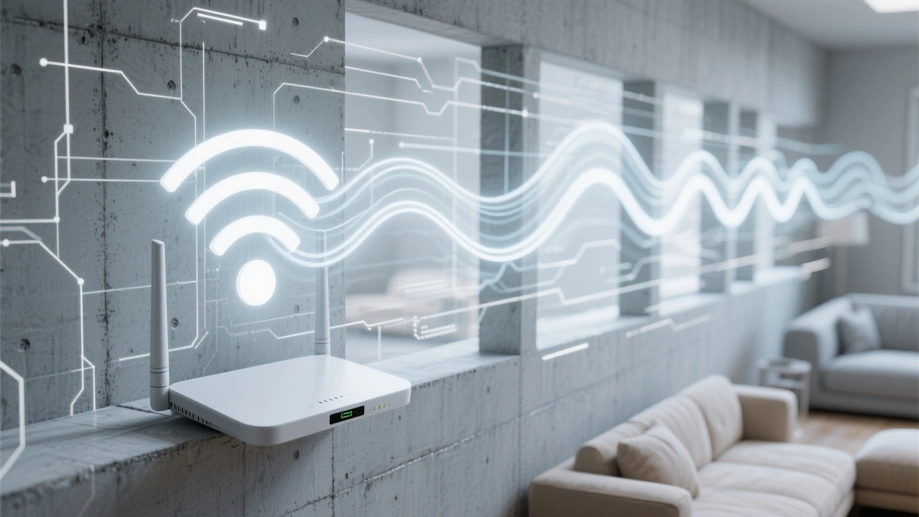
Ever wonder how streaming videos reach your tablet through multiple walls while that microwave oven across the kitchen causes frustrating buffering? The magic lies in electromagnetic waves navigating our built environments with invisible precision. WiFi signals operate primarily at either 2.4 GHz or 5 GHz frequencies - not as particles but as waves of energy that interact with physical barriers in surprising ways.
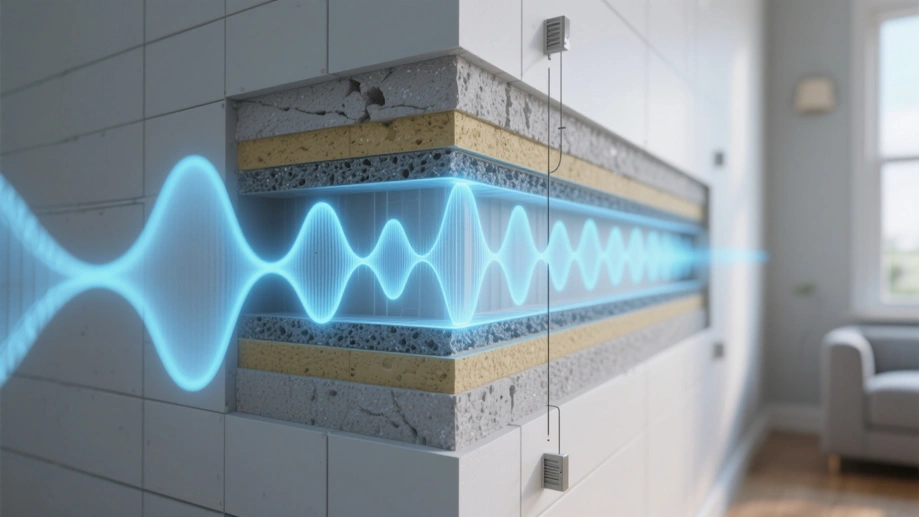
Material composition dramatically impacts this interaction. Drywall proves surprisingly permeable, allowing most signals through with minimal absorption. Wooden structures follow closely behind, absorbing just fractions of signal strength. The real challenge emerges with dense materials like brick, concrete, or metal which can deflect or swallow radio waves whole. Water content plays hidden roles too; filled aquariums or even human bodies disrupt signals more than empty spaces would suggest.
Physical thickness compounds these material challenges. A single concrete wall might reduce signal strength by 15 decibels, while two consecutive barriers could cause over 30dB loss - effectively halving connection quality with each major obstruction. Architects unknowingly design signal blackspots through load-bearing beams and plumbing clusters where multiple barriers overlap. Reflective surfaces like mirrors create signal mazes through unexpected bounce paths.
Frequency selection offers partial solutions to these invisible obstacles. While 5GHz provides faster data transfer, its shorter waves struggle significantly against barriers compared to longer 2.4GHz waves. Modern technology counters limitations through innovative antenna configurations that steer signals directionally rather than broadcasting uniformly in all directions. Some systems even map structural elements through signal reflection patterns.
Strategic positioning creates surprising advantages that users often overlook. Placement near ceiling levels clears many floor-level obstructions while avoiding ground-level interference sources. Elevating technology avoids electromagnetic competition with appliances clustered near electrical outlets. Consider the radio environment as carefully as furniture arrangement when optimizing home network flow.
Future improvements focus on smarter frequency sharing through AI rather than simply boosting power. Modern protocols coordinate transmission timing with microscopic precision, preventing devices from talking over each other. Energy-efficient designs maintain connections using brief signal pulses rather than constant transmission, preserving batteries while conserving bandwidth.
The humble WiFi signal’s journey through solid matter represents a triumph of applied physics over daily frustrations. Those bars displaying connection strength? They actually measure victories against hidden architectural barriers through clever electromagnetic navigation.