The Floating Power Revolution
How solar panels found a cool new home on water
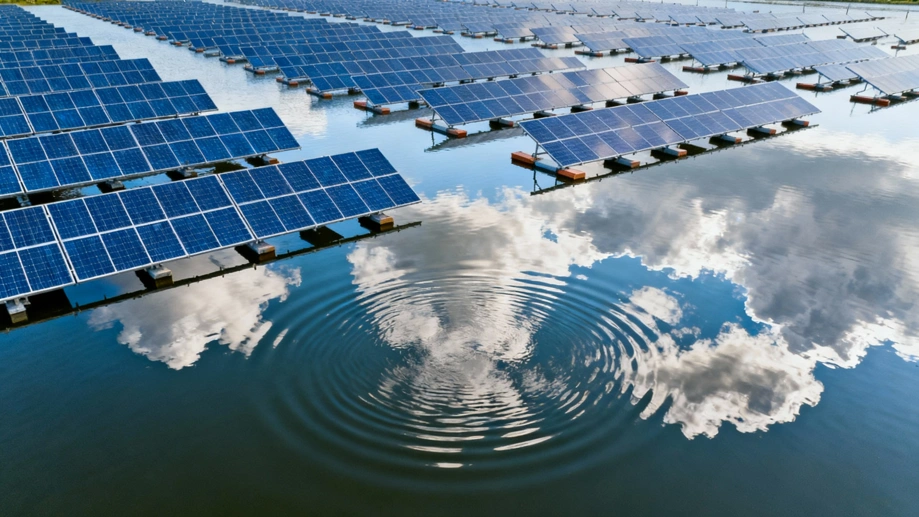
Look at any solar farm and you'll typically see row after row of panels mounted on dry land. But a quiet revolution is happening where photovoltaic technology meets liquid surfaces. Floating solar farms are transforming man-made reservoirs and lakes into unexpected clean energy hubs. Unlike their land-based cousins, these water-dwelling arrays enjoy a natural cooling system that gives them surprising advantages.
Water helps solar panels perform better through natural temperature regulation. When traditional ground-mounted solar panels overheat under scorching sunlight, their electricity output takes a significant hit. Photovoltaic cells become less efficient as temperatures rise. Floating panels avoid this pitfall because water constantly cools their undersides. This thermal advantage can boost electricity generation by up to 15% compared to equivalent land installations.
The environmental benefits extend beyond just energy production. In drought-prone regions, floating solar arrays help conserve precious water resources. By covering portions of reservoirs, they significantly reduce evaporation. Research shows these installations can lower water evaporation by as much as 70% in covered areas. This creates a dual benefit for water-stressed communities – generating clean power while preserving drinking water supplies.
Engineers overcame technical obstacles to make water-based systems practical. Special anchoring systems keep panels securely positioned despite changing water levels and weather conditions. The floating platforms are made from UV-resistant, marine-grade plastics. Electrical components are housed in waterproof compartments. Instead of using land that could serve agricultural purposes, floating farms maximize existing human-made water bodies like irrigation reservoirs and drinking water treatment ponds.
Beyond energy efficiency, these floating installations offer unexpected ecological advantages. The partial shading they provide can actually improve water quality in some circumstances. By blocking sunlight penetration, they inhibit the growth of certain algae blooms that require intense light to thrive. This natural algae control reduces water treatment costs and protects aquatic ecosystems.
The applications expand globally with remarkable flexibility. Floating solar farms have been successfully deployed in locations ranging from Japanese reservoirs to American wastewater treatment ponds. In countries with limited available land, floating panels open new opportunities. Water-based installations are being developed for ocean environments too, using specialized designs that withstand saltwater corrosion and wave action.
Despite their numerous advantages, floating solar farms require careful planning. Environmental assessments ensure installations don't disrupt aquatic habitats or sediment movement. Water-based maintenance presents unique challenges compared to land operations. But as the technology matures, these floating platforms continue evolving – becoming more durable and cost-effective with each generation.
This innovative approach represents more than just a clever engineering solution. It showcases how existing infrastructure can be reimagined for renewable energy generation. When we stop viewing bodies of water as merely holding tanks and recognize their energy potential, we unlock powerful dual-use opportunities. The marriage of water management and solar technology creates synergies that multiply environmental benefits in unexpected ways.